

Table of Contents
Auto injury treatment in Alexandria can effectively relieve pain after a crash by addressing the spinal misalignments, soft-tissue damage, and nerve irritation that cause lasting discomfort. Virginia recorded 64,086 people injured in crashes in 2024 alone — including over 50,000 drivers — making post-accident care one of the most critical health decisions you can make.
If you’ve been searching for answers about whether auto injury treatment can help you recover, delaying care often allows injuries to worsen.
At RxWellness Alexandria, our multidisciplinary team provides non-surgical, evidence-based treatment designed to restore your mobility, reduce your pain, and support your recovery at every step.
Related: When Should Whiplash in Alexandria Be Treated?
What Injuries Are Most Common After a Car Accident, and When Should You Seek Treatment?
The most common car accident injuries involve the spine, soft tissues, and nervous system — and many don’t become fully symptomatic until hours or days after the crash. Research confirms that whiplash and other soft-tissue symptoms may be delayed for 24–48 hours or even several days after a crash, partly due to adrenaline and endorphins temporarily masking pain. Acting quickly is the foundation of effective recovery.
Whiplash and Soft-Tissue Injuries
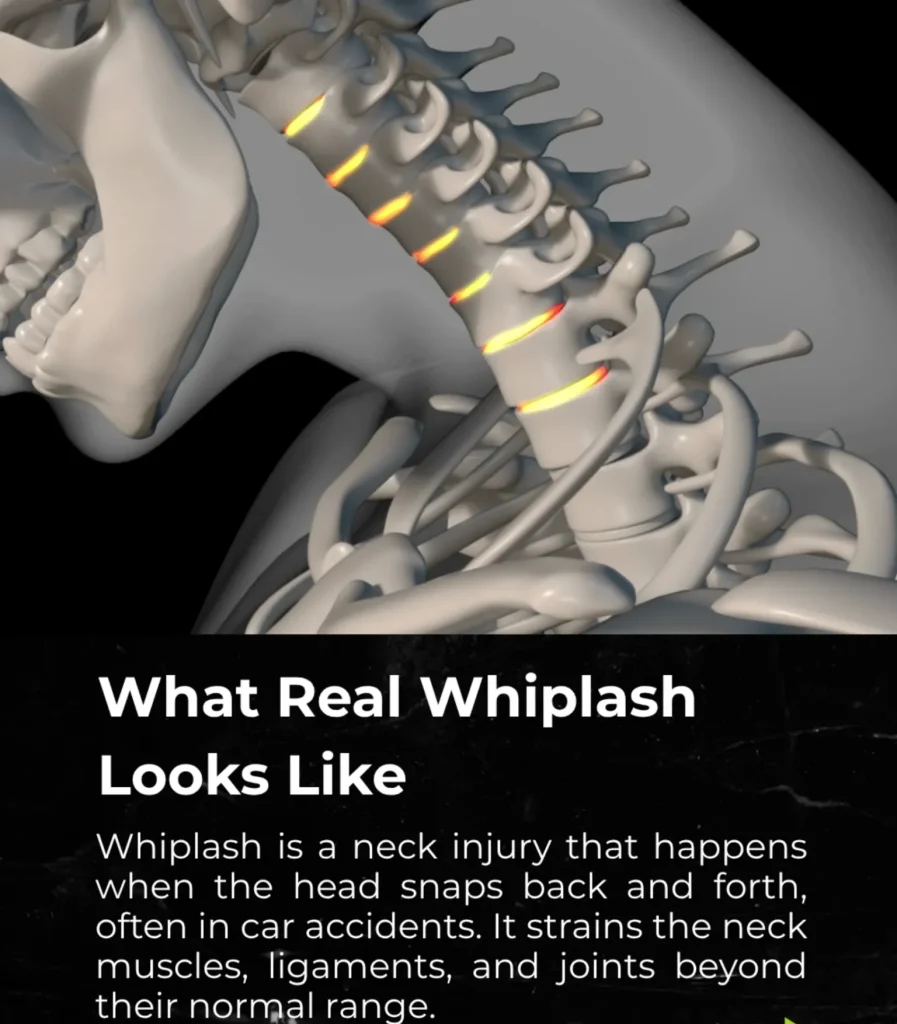
Whiplash occurs when the head snaps forward and backward rapidly, straining the muscles, ligaments, and tendons of the cervical spine. It is the most common crash-related injury and is frequently underestimated immediately after a collision.
- Neck stiffness and reduced range of motion
- Shoulder and upper-back pain radiating from the neck
- Headaches originating at the base of the skull
- Jaw pain, dizziness, and difficulty concentrating
- Fatigue and sleep disruption in the days following impact
Untreated whiplash significantly increases the risk of chronic neck pain.
Disc Herniations and Spinal Trauma
The compressive and shearing forces of a collision can damage spinal discs, leading to bulging or herniation into the nerve canal. Lumbar and cervical disc injuries are common in rear-end and side-impact crashes. They can produce radicular pain traveling into the arms or legs.
- Sharp or burning pain radiating from the spine into the extremities
- Numbness or tingling in the hands, fingers, or feet
- Muscle weakness in the arms or legs
- Worsening symptoms over days as inflammation progresses
Most disc herniations respond well to conservative care when treatment begins before chronic inflammation becomes established.
Delayed-Onset Symptoms You Shouldn’t Ignore
A significant percentage of crash victims feel minimal discomfort at the scene and assume they weren’t seriously hurt — one of the most dangerous misconceptions about car accident injuries.
- Increasing neck or back stiffness appearing 24–48 hours post-crash
- Headaches beginning at the base of the skull
- Cognitive changes, such as difficulty concentrating or memory gaps
- New or worsening pain that wasn’t present immediately after the collision
A prompt evaluation after any crash, even a minor one, is always the right decision.
What Are the Treatment Options for Auto Accident Injuries?
Auto accident injuries can be treated through a range of approaches, from conservative rehabilitation to advanced interventional care, with the best pathway determined by injury severity and symptom progression. Understanding the full spectrum of options helps you make informed decisions. It ensures you receive the level of care your injuries require.
Emergency and Urgent Care Pathways
For high-energy crashes or symptoms suggesting serious structural damage, the emergency department is the appropriate first stop. ED clinicians rule out life-threatening injuries using established clinical decision tools and imaging protocols.
- Chest pain, shortness of breath, or suspected internal injury
- Loss of consciousness, confusion, or seizure activity
- Suspected fractures, dislocations, or spinal cord compromise
- Any CDC concussion danger signs, including worsening headache or unequal pupils
Urgent care is appropriate for moderate pain, limited range of motion, or a significant headache in a stable patient who doesn’t require trauma-level evaluation.
Conservative Rehabilitation Approaches
For the musculoskeletal and soft-tissue injuries that represent the majority of crash complaints, evidence-based guidelines support early, active rehabilitation with manual therapy, spinal manipulation, supervised exercise, and patient education to restore range of motion, decrease pain, and reduce chronicity risk.
- Chiropractic adjustments to restore alignment and reduce nerve pressure
- Physical and rehabilitation therapy to rebuild strength and restore movement
- Manual therapy techniques targeting injured soft tissues and restricted joints
- Patient education on posture, movement mechanics, and injury prevention
Rest alone is not the best practice for most crash-related musculoskeletal injuries — early mobilization produces better long-term outcomes.
Advanced and Specialty Interventions
Some injuries require escalation beyond conservative care. Significant disc herniations, persistent radicular pain, and unresolved symptoms after adequate rehabilitation may warrant specialist evaluation.
- Epidural steroid injections for severe radicular pain or nerve compression
- Orthopedic or neurosurgical consultation for fractures or disc herniations with neurologic deficits
- Neurology referral for persistent post-concussive symptoms
- Pain management programs for complex chronic presentations
Knowing when to escalate is as important as starting treatment — a multidisciplinary team coordinates this process so nothing is missed.
What Are the Benefits of Early Auto Injury Treatment After a Crash?
Starting auto injury treatment in Alexandria promptly delivers measurable benefits across three dimensions: physical recovery, legal protection, and long-term pain prevention. Timely treatment creates a clear, contemporaneous record linking symptoms to the crash, countering arguments that later-reported pain is unrelated or due to pre-existing degenerative changes. The sooner you begin, the better your outcomes across all three.
Faster Physical Recovery
Early intervention interrupts the cycle of inflammation, muscle guarding, and compensatory movement patterns that drive chronic pain — before the body adapts to injury in ways that are harder to reverse.
- Faster restoration of range of motion and functional mobility
- Reduced muscle spasm and soft-tissue inflammation
- Lower risk of developing chronic pain syndromes
- Shorter overall treatment duration compared to delayed care
Patients who begin rehabilitation within days of a crash consistently achieve better functional outcomes than those who wait.
Stronger Insurance and Legal Documentation
In Virginia, where the contributory negligence rule can bar compensation if you’re found even 1% at fault, your medical record is a critical asset. Well-documented, timely treatment creates the clinical evidence needed to support your claim.
- Contemporaneous injury records tie symptoms directly to the collision
- Documented treatment adherence counters “failure to mitigate” arguments
- Insurers frequently cite gaps in treatment to minimize or deny claims
- Accurate mechanism-of-injury documentation preserves the factual record
Virginia’s two-year statute of limitations provides time — but delays in treatment can undermine your claim long before that deadline arrives.
Reducing the Risk of Chronic Pain
Untreated crash injuries have a well-documented tendency to become chronic. Whiplash, facet joint irritation, and disc injuries without structured rehabilitation can persist for months or years.
- Early mobilization prevents scar tissue formation in injured soft tissues
- Corrective care addresses structural imbalances before they become permanent
- Exercise-based rehabilitation restores neuromuscular control that prevents recurrence
- Patient education reduces fear-avoidant behaviors that amplify pain over time
The cost of inaction — in health and quality of life — is substantially higher than starting treatment right away.
Ready to start your recovery after a crash? Call RxWellness Alexandria at (703) 578-1900 to schedule your consultation today.
What Should You Expect During Your First Visit for Auto Accident Injuries in Alexandria?
Your first visit is a comprehensive evaluation designed to assess the full scope of your injuries, rule out conditions requiring urgent intervention, and establish a personalized care plan — with your first treatment delivered the same day.
Evaluation and Diagnostic Workup
Your doctor reviews your accident history, symptom timeline, and health background, followed by a full clinical examination using neurological, orthopedic, postural, and physical assessments.
- Detailed accident history, including mechanism, impact direction, and restraint use
- Neurological exam assessing reflexes, sensation, and motor function
- Orthopedic testing to identify structural involvement in the spine and extremities
- On-site digital X-rays are used when medically necessary to evaluate bony structures
You leave with a clear understanding of what’s injured and why you’re experiencing your symptoms.
Personalized Treatment Planning
Your doctor designs a care plan tailored to your injury pattern, symptom severity, and recovery goals — using the structured three-phase model to take you from acute pain relief through full functional restoration.
- Phase-based plan with clear goals at each stage
- Selection of modalities specific to your diagnosis
- Coordination of rehabilitation therapy alongside chiropractic treatment
- Regular progress reassessments to adjust care as you improve
Insurance Coordination and Next Steps
RxWellness Alexandria’s administrative team is experienced in the insurance requirements unique to personal injury cases in Virginia’s at-fault system.
- Direct coordination with auto insurance carriers on your behalf
- Support with third-party liability billing and optional MedPay coverage
- Complete medical records and documentation to support your claim
- Referrals to personal injury attorneys when appropriate
If you’re unsure about your coverage or legal options, our team helps identify every available resource before your first treatment begins.
Is Chiropractic Auto Injury Treatment Right for Your Condition?
Chiropractic and multidisciplinary auto injury treatment is appropriate for a wide range of crash-related conditions. For most patients with musculoskeletal injuries, non-surgical care is not just appropriate — it is the recommended first-line approach.
Ideal Candidates for Non-Surgical Care
The majority of crash injury patients are well-suited for conservative chiropractic and rehabilitative care, especially for the soft-tissue and spinal conditions that account for most crash-related injuries.
- Whiplash and cervical strain with or without headaches
- Lumbar and thoracic sprain from impact forces
- Disc-related pain without a significant neurologic deficit
- Facet joint irritation produces localized or referred pain
Patients with delayed-onset symptoms, mild-to-moderate pain, and intact neurologic function almost universally benefit from structured chiropractic and rehabilitation care.
When to Escalate to Specialist Referral
Some presentations require evaluation beyond chiropractic and rehabilitation care. Identifying these cases early ensures patients receive appropriate intervention without delay.
- New progressive weakness or numbness suggesting nerve or cord compromise
- Fractures or dislocations confirmed or suspected on imaging
- Concussion symptoms that worsen or fail to resolve within expected timeframes
- Red-flag symptoms, including bowel or bladder changes or saddle anesthesia
At RxWellness Alexandria, your care team coordinates specialist referrals when needed and maintains communication throughout that process.
Virginia’s Legal Landscape and Why Timing Matters
Virginia’s contributory negligence rule is unusually strict. If you are found even 1% at fault, you can be barred from recovering any compensation. The timing and quality of your medical care directly affect your legal position.
- Early evaluation creates a clear clinical record of crash causation
- Consistent treatment attendance counters insurer arguments about injury legitimacy
- MedPay coverage can fund treatment while liability is disputed
- Beginning care promptly signals to insurers that your injuries are genuine and being actively managed
The intersection of your health and your legal rights makes early treatment not only medically sound but also strategically essential in Virginia.
How Long Does Auto Injury Treatment Take to Work, and What Can You Expect?
Recovery timelines vary depending on injury type and severity, as well as the timing of treatment. Still, most patients experience meaningful improvement within weeks of starting a structured care program. Prompt medical evaluation, clear documentation of symptoms including delayed-onset pain or cognitive changes, and adherence to recommended treatment support both better health outcomes and stronger insurance claims.
Short-Term Relief in the First Weeks
The Relief phase focuses on reducing acute pain, decreasing inflammation, and restoring baseline mobility. Most patients with soft-tissue and spinal injuries notice meaningful improvement within 2 to 4 weeks.
- Reduction in acute neck and back pain with consistent adjustments
- Improved cervical range of motion as muscle spasm decreases
- Headache frequency and intensity typically diminish early in care
- Patients commonly resume daily activities with less difficulty
Mid-Range Recovery Milestones
The Corrective phase addresses the underlying structural and biomechanical issues the crash created or aggravated — typically spanning several weeks to a few months depending on injury complexity.
- Rehabilitation therapy rebuilding spinal stability and functional strength
- Flexion/distraction relieves disc pressure and restores spinal mobility
- Progressive return to full activity as strength and flexibility improve
- Reassessment benchmarks confirming structural improvement
Patients who complete the corrective phase are significantly less likely to experience symptom recurrence than those who stop care after initial pain relief.
Long-Term Wellness and Relapse Prevention
The Wellness phase transitions you from reactive treatment to proactive health maintenance through periodic chiropractic check-ins, continued exercise, and lifestyle adjustments.
- Reduced visit frequency as your condition stabilizes
- Inflammation management addressing systemic contributors to ongoing pain
- Education on ergonomics, posture, and movement to reduce everyday strain
Patients who commit to all three phases consistently achieve the best long-term outcomes.
Related: What Should You Do After a Slip and Fall Injury in Alexandria?
Why Choose RxWellness Alexandria for Auto Injury Treatment?
RxWellness Spine & Health Alexandria is a multidisciplinary clinic staffed by experienced chiropractors, physical therapists, and support professionals who understand both the clinical complexity of auto accident injuries and Virginia’s insurance and legal landscape.
- 150,000+ patients treated across Northern Virginia and Maryland
- 7,500+ five-star reviews from satisfied patients
- Three consecutive years on the INC 5000 fastest-growing companies list
- Board-certified chiropractors with advanced personal injury training
- Same-day appointments available for acute post-crash injuries
- Accepts Aetna, BCBS, CareFirst, Cigna, GEHA, Medicare, and UHC
- Experienced administrative team for auto insurance coordination and documentation
- February 2025: Integrated King Street Wellness into RxWellness Alexandria, expanding holistic pain management services in Northern Virginia
The RxWellness Three-Phase Care Model
Every auto-injury patient at RxWellness Alexandria follows a structured progression from acute pain relief to full functional health.
- Relief Phase: Reduces acute pain, inflammation, and muscle spasm through targeted adjustments and manual therapy
- Corrective Phase: Rebuilds spinal stability and prevents symptom recurrence through structured rehabilitation
- Wellness Phase: Maintains long-term health gains and reduces future injury risk through periodic care and lifestyle guidance
Auto Injury Treatment Approaches at RxWellness Alexandria
RxWellness Alexandria combines chiropractic care, rehabilitation therapy, flexion/distraction, and inflammation management to address every dimension of crash-related pain and dysfunction — from acute stabilization through full functional restoration.
Chiropractic Care for Crash-Related Injuries
Chiropractic adjustments are the cornerstone of auto injury treatment, restoring proper spinal alignment, reducing nerve pressure, and creating the conditions for injured tissues to heal effectively.
- Cervical adjustments targeting whiplash-related misalignment and stiffness
- Lumbar and thoracic care addressing back pain from impact forces
- Facet joint mobilization to restore segmental spinal motion
- Non-surgical, drug-free approach appropriate for most post-crash presentations
Chiropractic care is most effective when combined with structured rehabilitation to address both the structural and functional components of your injury.
Rehabilitation Therapy
Rehabilitation therapy is delivered by physical therapists in a dedicated on-site gym, immediately following chiropractic adjustments to maximize treatment effectiveness. This formal rehabilitative care rebuilds strength and functional movement patterns disrupted by crash injuries.
- Structured exercise programming targeting spinal stabilization and core strength
- Functional movement restoration addressing postural dysfunction
- Progressive loading that advances safely as your recovery builds
Flexion/Distraction Tables
For patients with disc-related pain or herniation following a crash, flexion/distraction is a precise manual decompression technique in which the doctor physically manipulates a segmented treatment table to distract and flex the spine gently — reducing disc pressure and nerve compression without motors or traction devices.
- Directly addresses herniated or bulging discs resulting from crash forces
- Relieves sciatic and radicular pain by decompressing nerve exit zones
- Entirely doctor-controlled for patient-specific application
Inflammation Management
Car accidents trigger systemic inflammatory responses that extend beyond the immediate injury site. RxWellness Alexandria’s Inflammation Management program uses advanced blood analysis, allergen testing of up to 68 triggers, and personalized anti-inflammatory protocols coordinated with your chiropractic care.
- Identifies systemic inflammatory drivers that slow crash injury recovery
- Personalized nutritional and supplementation protocols targeting root causes
- Coordinated with chiropractic and rehabilitation care by licensed medical professionals
Ready to take the next step toward recovery? Schedule your consultation online at RxWellness Alexandria and begin your path to relief.
FAQs About Auto Injury Treatment in Alexandria
Can auto injury treatment in Alexandria relieve pain if symptoms appear days after the crash?
Yes. Delayed onset is common — soft-tissue damage and disc irritation often don’t become fully symptomatic until 24 to 72 hours after impact. Auto injury treatment in Alexandria is designed to address these injuries regardless of when symptoms appear. Seek evaluation as soon as delayed symptoms develop; prompt care produces better outcomes and maintains an uninterrupted clinical record supporting your insurance claim.
Does insurance cover auto injury treatment at RxWellness Alexandria?
RxWellness Alexandria accepts Aetna, BCBS, CareFirst, Cigna, GEHA, Medicare, and UHC. For crash-related injuries, treatment can also be billed through the at-fault driver’s liability insurance, your optional MedPay coverage, or a medical lien arrangement when liability is disputed. Our administrative team works directly with carriers to minimize your out-of-pocket costs.
How soon after a car accident should I start auto injury treatment in Alexandria?
As soon as possible — ideally within the first 24 to 72 hours for significant symptoms, or within the first week, even if discomfort seems mild. In Virginia, gaps between a crash and first documented care are frequently used by insurers to challenge the connection between your injuries and the accident.
What is the difference between chiropractic care and physical therapy for auto accident injuries?
Chiropractic care addresses spinal and joint misalignments through manual adjustments, restoring proper alignment and reducing nerve pressure. Rehabilitation therapy uses structured exercise to rebuild strength and restore full mobility. At RxWellness Alexandria, these are delivered in an integrated sequence — adjustment followed by on-site rehabilitation — producing better outcomes than either approach alone.
Can auto injury treatment in Alexandria specifically help with whiplash?
Yes. Chiropractic adjustments restore cervical alignment disrupted by rapid acceleration-deceleration forces, while rehabilitation therapy rebuilds neck and upper-back strength. Flexion/distraction is also effective for whiplash patients with disc involvement. Most patients experience meaningful improvement within a few weeks of starting structured care.
Key Takeaways
- Virginia recorded 64,086 crash injuries in 2024 — prompt post-accident evaluation is one of the most important decisions you can make after a collision.
- Delayed symptoms are common; whiplash and soft-tissue injuries often don’t appear until 24–48 hours after a crash, so feeling fine at the scene doesn’t mean you’re injury-free.
- Auto injury treatment in Alexandria that begins early leads to faster recovery, reduces the risk of chronic pain, and provides documentation that supports Virginia insurance claims.
- Virginia’s contributory negligence rule makes accurate, timely medical records especially critical — even a small delay in seeking care can weaken your claim.
- RxWellness Alexandria offers chiropractic care, rehabilitation therapy, flexion/distraction, and inflammation management for comprehensive crash injury recovery.
- The three-phase care model — Relief, Corrective, and Wellness — takes you from acute pain relief through full functional restoration and long-term health maintenance.
Related: Where Can You Find the Best Chiropractic Deals in Alexandria Today?
Find Lasting Relief from Auto Injury Treatment in Alexandria
Car crashes leave lasting physical effects that don’t always resolve on their own — and in Virginia, the decisions you make in the days and weeks after a collision have real consequences for both your health and your legal standing.
Prompt evaluation, thorough documentation, and adherence to a structured treatment plan all support better outcomes across every dimension of your recovery. At RxWellness Spine & Health Alexandria, our team is ready to help you heal completely.
RxWellness Spine & Health Alexandria Online Reservations
3543 West Braddock Road, Suite 200, Alexandria, VA 22302
Phone: (703) 578-1900
Serving Alexandria and nearby communities, including Old Town Alexandria, Huntington, Shirlington, Fairlington, and Franconia.