

Table of Contents
Your new chair arrived. It has lumbar support, adjustable arms, and a fancy headrest. Your back still hurts by 3 pm. That’s not a coincidence. Chiropractic and soft tissue work address muscle and joint problems a chair was never built to fix. We’ll walk through why, and how it works.
What Is Chiropractic and Soft Tissue Work?
Chiropractic and soft tissue work combines spinal adjustments with hands-on muscle and fascia treatment. It targets the cause of pain, not just the symptom. Together, these two approaches restore movement that sitting alone cannot.
- Chiropractic care realigns joints in the spine and extremities
- Soft tissue therapy releases tight muscles, fascia, and trigger points
- Chiropractic and soft tissue work is often delivered in the same visit
- The combination addresses both bone alignment and muscle tension
- This dual approach is different from a chair, which only changes your sitting position
Your chair supports your spine. It does not release the knots already in your traps. That’s where chiropractic and soft tissue work comes in.
Related: How Do I Know If I Need a Chiropractor or Massage?
Why Doesn’t An Ergonomic Chair For Back Pain Fully Solve The Problem?
An ergonomic chair for back pain helps prevent new strain. It cannot undo muscle damage that already exists. You need active treatment, not just better support.
- Evidence on chair interventions remains mixed and only moderately strong because the review found the evidence base unclear both in terms of strength of evidence and the nature of chair features tested
- A broader meta-analysis found ergonomic interventions reduced pain only modestly with a mean VAS score difference of negative 0.28, a small effect size
- Neck pain remains common in office workers despite ergonomic setups, with annual prevalence ranging from 42% to 63% among desk workers
- An ergonomic chair for back pain cannot release a muscle that’s already locked up
- Chiropractic and soft tissue work treats the muscle tension a chair was never designed to fix
A chair adjusts your posture. It doesn’t adjust your spine or release fascia. That’s the gap chiropractic and soft tissue work fills.
Related: Working a Desk Job? 4 Health Tips for the Office
How Does Soft Tissue Therapy Target Pain an Ergonomic Chair Cannot Reach?
Soft tissue therapy works directly on muscle, fascia, and trigger points. It breaks up tension a chair cannot touch. This is the missing half of most desk worker treatment plans.
- Soft tissue therapy increases pressure-pain thresholds at trigger points, meaning less sensitivity to touch
- One randomized trial found pressure-pain threshold increased across all four muscle sites tested after massage, but not after sham treatment or no treatment
- Deep tissue soft tissue massage reduced trigger point count and improved range of motion in clinical studies when administered over 12 sessions alongside other modalities
- Soft tissue treatment releases the fascia surrounding tight muscle groups
- Chiropractic and soft tissue work together can restore range of motion a chair alone cannot
- This approach reaches deep tissue layers that sitting posture cannot influence
You can sit all day perfectly. That won’t release a trigger point already formed in your shoulder. Soft tissue therapy can.
Related: Relieving Neck Pain in Desk Jobs: The Best Stretches, Exercises, and Therapies
What Does Soft Tissue Treatment Involve At RxWellness?
Soft tissue treatment at RxWellness blends manual therapy with chiropractic adjustments. Each plan is built around your specific pain pattern. We don’t offer one generic protocol for every desk worker.
- Trigger point therapy applies sustained pressure to release tight muscle bands
- Myofascial release relieves tension in the connective tissue surrounding muscles
- Soft tissue massage improves circulation and reduces stiffness in overused muscle groups
- Chiropractic adjustments restore joint mobility in the neck, mid-back, and lower back
- Instrument-assisted soft tissue mobilization breaks up old scar tissue restrictions
- Chiropractic and soft tissue work plans are tailored to your job, posture habits, and pain location
We don’t just adjust your spine and send you home. Soft tissue treatment is built into nearly every visit, because muscles and joints work together.
Related: What Does Muscle Scraping Do? An Overview of Myofascial Release Techniques
Don’t wait for the pain to get worse before you take action. Call your nearest RxWellness Spine & Health clinic today. Our team can walk you through a treatment plan built around chiropractic and soft tissue work.
Can The Best Ergonomic Chair For Back Pain Work Alongside Chiropractic Care?
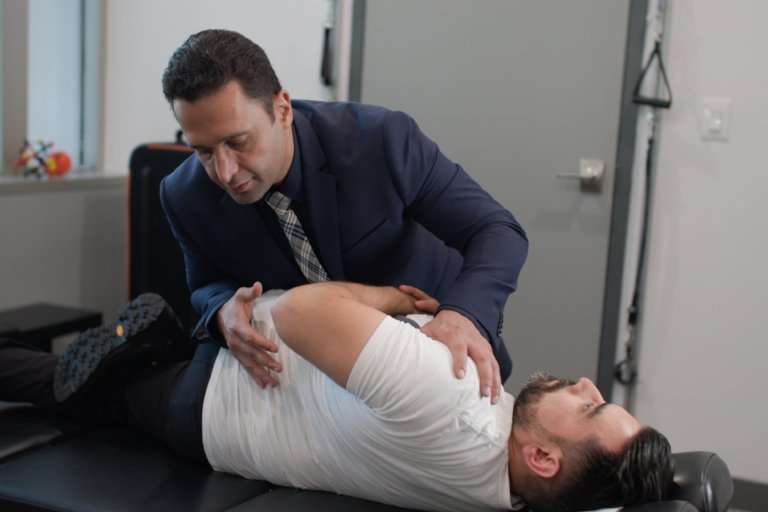
Yes, the best ergonomic chair for back pain can support your treatment plan. It’s not a replacement for hands-on care. Think of it as one tool among several.
- The best ergonomic chair for back pain reduces new strain during long sitting hours
- Studies show chair adjustability can prevent abnormal strain on the neuromuscular system when seat height and seat pan depth match the user’s body proportions
- Pairing a good chair with chiropractic and soft tissue work addresses both prevention and repair
- An ergonomic chair for back pain alone showed only limited effectiveness in some reviews compared to other ergonomic interventions like arm supports and workstation adjustments
- Chiropractic care corrects misalignments a chair cannot fix
- Soft tissue therapy releases tension that builds up even with a good chair
A great chair is a smart investment. It just isn’t a substitute for chiropractic and soft tissue work when pain has already set in.
Related: Your Desk Job Causes Bad Posture, Here’s How to Fix It
What Are The Signs You Need Soft Tissue Massage, Not Just A New Chair?
Certain symptoms point to muscle or fascia problems, not chair design. Soft tissue massage is the more direct fix. Knowing the signs helps you choose the right treatment.
- Persistent knots or tight bands in your shoulders or upper back
- Pain that returns within hours of standing up, regardless of chair quality
- Numbness or tingling down your arms or legs while sitting
- Limited range of motion when turning your neck or twisting your torso
- Headaches that start at the base of your skull during the workday
- Pain that worsens even after switching to a new ergonomic chair
If you recognize these signs, a chair upgrade won’t solve it. Soft tissue massage and chiropractic and soft tissue work target the actual source.
Related: Leg Numbness From Sitting Too Long
How Do You Combine Chiropractic And Soft Tissue Work With Daily Habits?
Treatment works best alongside small daily changes. Chiropractic and soft tissue work resets your body, while habits keep it that way. Neither alone is the full answer.
- Stand up and move every 30 to 45 minutes during your workday
- Adjust monitor height so your eyes meet the top third of the screen
- Stretch your neck, shoulders, and hips between meetings
- Schedule regular soft tissue treatment sessions to prevent tension buildup
- Keep your ergonomic chair for back pain adjusted to your body, not factory settings
- Follow your chiropractor’s home care plan between in-office visits
Chiropractic and soft tissue work gives your body a reset. Daily habits help that reset actually last.
Related: 9 Reasons How Sitting Negatively Affects Your Health
Pain from sitting all day doesn’t have to be part of your routine. Call your nearest RxWellness Spine & Health clinic and ask about a combined treatment plan. We’ll help you figure out what your body actually needs.
FAQs
Can a standing desk replace the need for soft tissue therapy?
A standing desk changes your position, but it does not release tight muscles or restore joint motion. Many people develop new strain patterns from standing too long without movement breaks. Soft tissue therapy addresses the muscle tension directly, which a desk change cannot do on its own.
How often should I get soft tissue massage if I sit all day?
Most desk workers benefit from soft tissue massage every two to four weeks, depending on symptom severity. Frequent sitting builds tension faster than occasional stretching can release it. Your chiropractor can adjust the schedule based on how your body responds to treatment.
Will chiropractic care alone fix posture problems caused by sitting?
Chiropractic care realigns joints, but tight muscles can pull your spine back out of position quickly without soft tissue work. Combining both approaches holds alignment longer than adjustments alone. This is why most effective treatment plans pair the two together.
What’s the difference between soft tissue treatment and a regular massage at a spa?
Soft tissue treatment is clinical and targets specific trigger points, fascia restrictions, or muscle imbalances tied to your pain pattern. A spa massage focuses on relaxation rather than corrective treatment. Soft tissue treatment is typically part of a broader chiropractic care plan with measurable goals.
How long does it take to feel relief from chiropractic and soft tissue work?
Many patients notice reduced tension after their first session, though full results vary by individual. Chronic tension built up over months often needs several sessions to fully resolve. Your provider will track progress and adjust frequency as your body responds.
Can poor posture from years of desk work ever be fully corrected?
Posture built over years takes time to correct, but consistent treatment can produce real improvement. Soft tissue work addresses the muscle imbalances holding bad posture in place. Chiropractic adjustments then help maintain proper alignment as those muscles release.
Is soft tissue massage covered by insurance when paired with chiropractic care?
Coverage depends on your specific plan and whether the treatment is deemed medically necessary. RxWellness accepts Aetna, Anthem, BlueCross BlueShield, CareFirst, Cigna, GEHA, UMR, and United Healthcare, among other providers. Our team can help verify your benefits before your first visit.
Key Takeaways
- Ergonomic chairs help prevent new strain but cannot release existing muscle tension.
- Chiropractic and soft tissue work addresses both joint alignment and muscle restriction.
- Soft tissue therapy increases pressure-pain thresholds at trigger points, according to clinical research.
- An ergonomic chair for back pain works best when paired with hands-on treatment, not used alone.
- Neck pain affects up to 63% of office workers annually, despite ergonomic setups.
- Soft tissue massage targets knots, fascia tension, and restricted range of motion directly.
- Daily habits like standing breaks and monitor adjustments extend the benefits of treatment.
- RxWellness builds personalized plans combining chiropractic care with soft tissue treatment for desk workers.
Wrap Up: Chairs Help, But They Can’t Replace Hands-On Care
So can chiropractic and soft tissue work fix what ergonomic chairs can’t? Yes, it can. A chair supports posture, but it cannot release tight muscles, restore joint motion, or correct misalignment already present in your spine. Chiropractic and soft tissue work reaches the layers a chair was never designed to treat. Pair both, and you get prevention and repair working together.
Ready to find out what’s really behind your desk pain? Request an appointment online with RxWellness today. Our team will build a plan around chiropractic and soft tissue work that fits your body and your job.