
Table of Contents
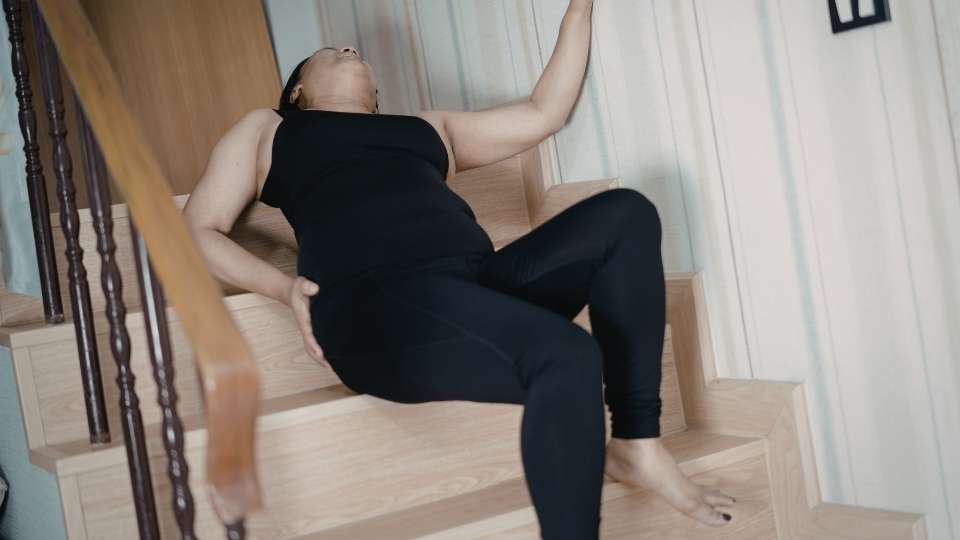
One moment you’re walking. The next, you’re on the ground, stunned, trying to figure out what just happened. Slip and fall accidents happen fast. The injuries they leave behind, however, can linger for weeks, months, or even years. Understanding the common injuries after a slip and fall accident gives you the context to take the right steps before symptoms get worse.
At RxWellness Spine & Health, we treat patients throughout Virginia and Maryland who come in after falls at work, in stores, on sidewalks, and at home. Many of them waited too long to seek care. Some didn’t realize how seriously they were hurt. This guide walks you through what these injuries look like, why they happen, and how chiropractic and multidisciplinary care can support your recovery.
How Common Are Injuries After a Slip and Fall Accident?
Slip and fall accidents are far more damaging than most people expect. In 2024, 48,308 people in the United States died from fall-related injuries, accounting for 24% of all preventable injury deaths, according to the National Safety Council. The same data shows that nearly 480,000 workers were injured badly enough to miss work after a fall.
These aren’t just statistics. Each number reflects a person dealing with pain, limited mobility, and lost productivity. One in five falls results in a serious injury such as broken bones or a head wound, according to the CDC. When it comes to common injuries after a slip and fall accident, the range runs from bruised muscles to permanent nerve damage.
Related: Is It Normal to Have Delayed Hip Pain After a Fall?
Why so many injuries go unrecognized at first
The body releases adrenaline during a fall. This natural response can mask pain right away, leading many people to believe they weren’t seriously hurt. Soft tissue injuries, herniated discs, and even concussions may not produce noticeable symptoms for 24 to 48 hours. That gap between the fall and the onset of pain is one reason why delayed treatment is so common.
Our team at RxWellness sees patients regularly who dismissed their fall as minor, only to wake up days later with back pain, neck stiffness, or radiating leg pain that turns out to be a spinal disc problem. If you’ve had a fall, don’t wait for symptoms to escalate before seeking care from an injury chiropractor near me.
If you’ve been in a fall and you’re not sure how serious your injuries are, don’t wait. Many injuries from slip and fall accidents worsen without treatment. Call the nearest RxWellness Spine & Health clinic to speak with our team and get a thorough evaluation. You can also request an appointment online through our patient portal.
What Are the Most Common Soft Tissue Injuries After a Fall?
Sprains and strains are among the most frequent common injuries after a slip and fall accident. These injuries affect the muscles, tendons, and ligaments. They may not show up on X-rays, which can lead people to underestimate their severity.
Muscle strains and ligament sprains
A fall puts sudden, uncontrolled force on the body. Muscles can overstretch or tear, and ligaments can be wrenched well beyond their normal range of motion. Traumatic injury from a fall can injure tendons, ligaments, and muscle, and can also compress the spine.
The lower back and legs are most commonly affected. Soft tissue injuries in the lumbar area can cause stiffness, spasms, and pain with movement. Without proper treatment, they can develop into chronic conditions. Our accident injury chiropractor team uses targeted soft tissue therapy and spinal adjustments to support healing and restore range of motion.
Shoulder and wrist injuries
When someone falls, the instinct is to throw out a hand to break the impact. This reflex often results in wrist sprains, fractures, or shoulder injuries. Rotator cuff tears and acromioclavicular joint sprains are both possible when a shoulder absorbs a fall’s force. These injuries can be overlooked when someone is focused on back or leg pain, yet they can become significant sources of long-term discomfort without targeted treatment.
Related: Accident and Injury Clinics: Why RxWellness Spine & Health Is Your Ideal Choice
Can a Slip and Fall Cause a Slipped Disc?

Yes, and it’s more common than many people realize. A slipped disc, also called a herniated or ruptured disc, is one of the more serious common injuries after a slip and fall accident. Herniation occurs when the nucleus pulposus pushes through a tear in the outer ring of the disc. This can put direct pressure on spinal nerves, causing radiating pain, tingling, and weakness.
How a fall triggers disc herniation
A sudden fall compresses the spine and can cause sudden, jerky motions that wrench a disc out of position. Falling directly on the back or striking it while tumbling can directly damage vertebrae or discs. The lumbar spine is particularly vulnerable. When a slipped disc puts pressure on the sciatic nerve, you may feel pain radiating down one or both legs, often described as a sharp, electric sensation.
Our chiropractors assess disc injuries through physical examination and history, and we coordinate imaging referrals when indicated. Conservative care, including spinal decompression, manual therapy, and therapeutic exercise, is often effective in managing disc-related pain without surgery. If you’re looking for an injury chiropractor near me who handles disc injuries specifically, our clinics across Virginia and Maryland are equipped for this.
Symptoms that suggest a disc injury after a fall
Lower back pain that gets worse with sitting, sharp or burning pain down the leg, numbness or tingling in the foot, and muscle weakness are all signs that a disc may be involved. These symptoms can develop slowly and worsen over days. Getting assessed by a personal injury chiropractor early makes it possible to start treatment before nerve irritation becomes more entrenched.
Related: Chiropractic Treatment for Herniated Disc
What Kind of Knee Injuries Happen in Slip and Fall Accidents?
Knee injuries are among the most physically limiting common injuries after a slip and fall accident. The knee is a complex joint, and a fall can damage multiple structures at once. Knee injuries can range from minor strains to complete ligament tears.
Types of knee injuries caused by falls
When a person falls sideways or twists during a fall, the medial collateral ligament (MCL) and the anterior cruciate ligament (ACL) are both at risk. Meniscus tears are also frequent. The meniscus is the cartilage that cushions the knee joint, and a sudden twisting motion can cause it to tear partially or completely. Patella fractures can happen when the knee strikes the ground directly.
Knee pain, swelling, instability, and difficulty bearing weight are all signs of possible knee damage after a fall. Our clinics provide chiropractic evaluation and soft tissue therapy for knee injuries, and we coordinate with orthopedic specialists when surgical assessment is warranted. If you’re dealing with knee injuries from a recent fall, working with a personal injury chiropractor early helps prevent compensatory movement patterns that can worsen the problem over time
Related: How Chiropractic Care Can Save Your Knee.
Long-term effects of untreated knee injuries
Untreated knee damage can progress to early arthritis. Chiropractic care can help manage knee pain, reduce inflammation, and support the joint’s recovery without relying solely on pain medications. Proper biomechanical evaluation is important, since knee injuries often alter gait and lead to hip or back strain as the body compensates.
Knee and back injuries from a fall don’t get better by waiting. Our clinics across Virginia and Maryland specialize in post-fall injury evaluation and treatment. Our team will take time to understand your symptoms and build a care plan that fits your situation. Call your nearest RxWellness Spine & Health clinic or request an appointment online.
Are Head and Neck Injuries Common After a Fall?
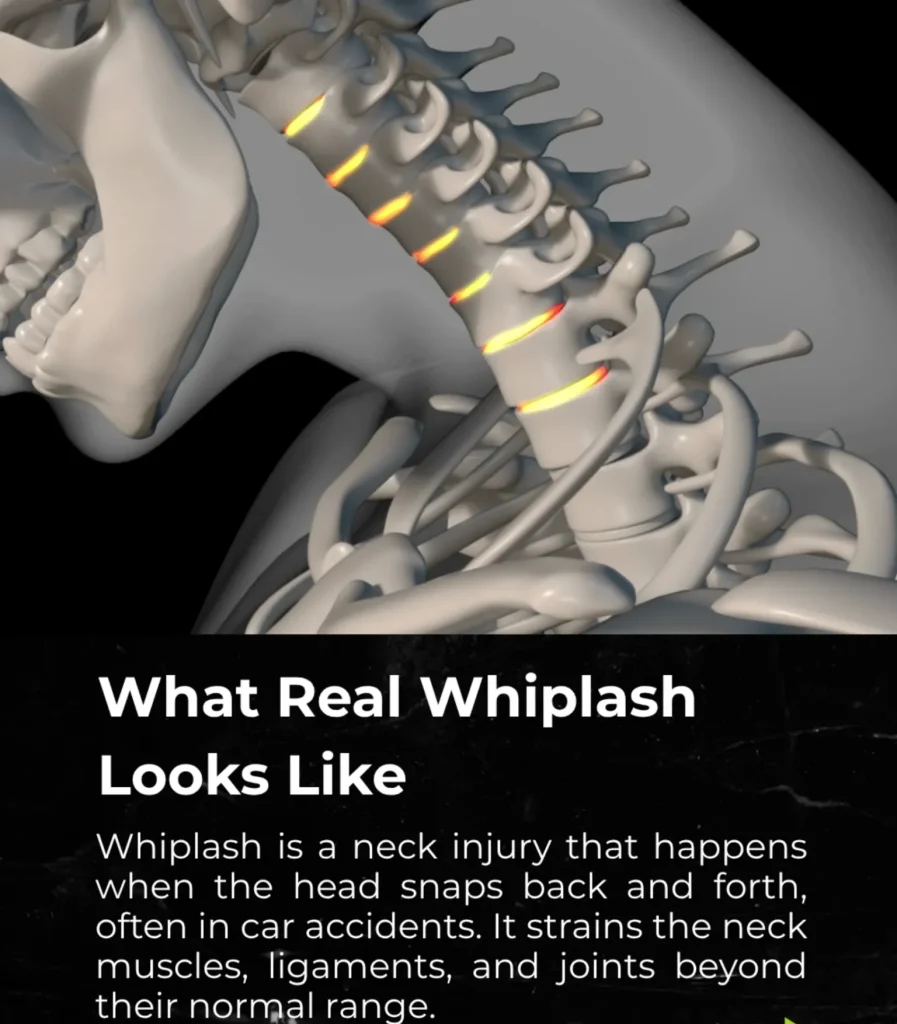
Head and neck injuries are among the most serious common injuries after a slip and fall accident, and they often go unrecognized at first. A fall that causes the head to strike the ground or jolt suddenly can result in concussion or whiplash.
Concussion and traumatic brain injury
Falls are the leading cause of traumatic brain injuries (TBI) in the United States. A traumatic brain injury after a fall may not appear for hours or even a day or two after the accident. Symptoms to watch for include headache, confusion, memory problems, nausea, sensitivity to light, and changes in sleep. Any of these after a fall should prompt an immediate medical evaluation.
While chiropractors don’t treat brain injuries directly, our team can support post-concussion recovery by addressing cervical spine dysfunction that often accompanies head trauma. Neck tension, restricted movement, and cervicogenic headaches are all areas where chiropractic care contributes meaningfully to recovery.
Whiplash from a fall
Whiplash isn’t just an auto accident injury. A sudden backward-and-forward head movement during a fall produces the same mechanism. Whiplash from a fall causes muscle and ligament strain in the neck, with symptoms including neck pain, stiffness, headache, and dizziness. These symptoms may appear immediately or develop days later.
Our chiropractors are experienced in treating whiplash regardless of how it happened. We assess the cervical spine for subluxations, restricted range of motion, and soft tissue involvement, then build a care plan that addresses the root cause rather than only the pain.
Related: The Role of a Personal Injury Chiropractor in Accident Recovery
Do Fractures Often Result From Slip and Fall Accidents?
Fractures are among the most physically serious common injuries after a slip and fall accident. They’re more common than most people expect, and they don’t only happen in older adults.
Hip fractures and older adults
Hip fractures are a major concern. More than 95% of hip fractures result from a fall, typically sideways, and at least 300,000 older adults require hospitalization for hip fractures each year. Recovery from a hip fracture can take months, and complications can be severe in older patients.
Wrist, ankle, and vertebral fractures
Wrist fractures happen when someone extends a hand to stop a fall. Ankle fractures result from landing on a foot at an awkward angle. Vertebral compression fractures can occur when the spine absorbs a high-impact landing, particularly in individuals with lower bone density. Fractures require medical management, and once initial healing is underway, chiropractic care can support rehabilitation by addressing surrounding muscle tension, movement compensation, and joint mobility.
Related: Is Chiropractic Care Safe After a Collision?
Why Should You See a Personal Injury Chiropractor After a Fall?

Many common injuries after a slip and fall accident don’t show up on standard X-rays. Soft tissue damage, spinal subluxations, and early disc herniation require clinical assessment by a provider trained to identify them. A personal injury chiropractor is specifically experienced in evaluating trauma from falls, accidents, and sudden impacts.
What a post-fall chiropractic evaluation covers
We assess posture, spinal alignment, range of motion, soft tissue tension, and neurological signs such as reflex changes or sensory deficits. This gives us a more complete picture of your injuries than symptom reporting alone. If imaging is needed, we coordinate referrals. Our goal is to understand the full scope of what happened to your body so we can treat it accordingly.
If you’re searching for an accident injury chiropractor or injury chiropractor near me after a fall, RxWellness has clinic locations across Virginia and Maryland. Our team works with personal injury cases regularly and understands the documentation requirements that often accompany legal claims.
Why starting treatment quickly matters
Early intervention after a fall reduces the risk that injuries become chronic. Scar tissue can form in damaged soft tissue if it’s not treated properly. Spinal misalignments left uncorrected after a fall can become self-reinforcing, leading to long-term pain patterns. Starting care with a personal injury chiropractor within days of the accident, rather than weeks, typically leads to faster recovery and better outcomes.
Related: Post-Accident Recovery with Family Chiropractic Care in Ashburn
Why RxWellness Spine & Health
RxWellness Spine & Health has been recognized on the Inc. 5000 list three consecutive years, including ranking No. 1523 in 2025, reflecting the trust patients across Virginia and Maryland place in our multidisciplinary approach to injury care.
Our Founder and CEO Dr. Philip Golinsky was featured on ABC7 Good Morning Washington’s Top Docs series, recognized specifically for his expertise in treating whiplash and auto-accident injuries, which parallels the mechanisms involved in many common injuries after a slip and fall accident.
Dr. Philip Golinsky was also invited as the featured guest on Chiro Hustle Podcast Episode 700, a leading chiropractic industry podcast, where he discussed scaling a patient-centered organization and advancing multidisciplinary care for accident and injury patients.
Frequently Asked Questions
How long do common injuries after a slip and fall accident take to heal?
Recovery time depends on the type and severity of the injury. Minor soft tissue strains can resolve in one to three weeks with proper care, while more significant injuries such as knee ligament tears, herniated discs, or fractures often take months. A slipped disc that’s causing nerve compression may take six to twelve weeks of conservative treatment before symptoms reduce meaningfully. Injuries left untreated tend to take longer to heal and carry a higher risk of becoming chronic conditions.
Should I go to urgent care or a chiropractor first after a slip and fall?
If you’re experiencing signs of a fracture, severe head injury, or loss of consciousness after a fall, an emergency room visit comes first. Once life-threatening injuries have been ruled out, an accident injury chiropractor is an excellent next step. Chiropractors are trained to evaluate the musculoskeletal and neurological consequences of falls, including soft tissue injuries, spinal subluxations, and disc involvement that emergency imaging doesn’t always detect.
Can a slip and fall cause back pain months later?
Yes, and this is more common than people expect. Delayed back pain after a fall often points to soft tissue injuries that were not treated immediately, or a slipped disc that progressively irritates a nerve over time. Muscle imbalances and compensatory movement patterns that develop after an injury can also lead to pain in areas of the body that weren’t initially symptomatic. If you’ve had a fall and are now experiencing back pain weeks or months later, a personal injury chiropractor can evaluate whether the two events are connected and design a targeted care plan.
Will my health insurance cover chiropractic care after a slip and fall?
Coverage varies widely depending on your plan and the circumstances of the fall. If the injury occurred on someone else’s property, the property owner’s liability insurance may cover your medical care, including chiropractic treatment. If the fall happened at work, workers’ compensation may apply. RxWellness works with a range of insurance types including personal injury protection (PIP), liability insurance, and workers’ compensation, in addition to standard health insurance.
Is chiropractic care safe for knee injuries from a fall?
Chiropractic care is a well-established approach for managing knee pain after a fall, particularly for soft tissue injuries, joint inflammation, and movement dysfunction. Our chiropractors don’t manipulate the knee joint in the same way they work with the spine, but they do use soft tissue techniques, therapeutic exercises, and biomechanical correction to reduce pain, improve stability, and support healing. For knee injuries involving significant ligament tears or suspected fractures, we coordinate with orthopedic specialists to make sure you’re receiving the level of care your injury requires. Knee injuries respond best to a combined approach.
What’s the difference between a personal injury chiropractor and a regular chiropractor?
A personal injury chiropractor has experience evaluating and treating injuries that result from accidents, falls, and other sudden traumatic events. Beyond clinical care, they’re familiar with the documentation requirements of personal injury cases, including writing detailed reports on injury causation, severity, and treatment necessity that insurers and attorneys often request. A general chiropractor may not have this background. If your slip and fall involves a potential legal claim, working with a provider who understands the medical-legal side of injury care can make a significant difference in how your case is documented and supported.
Can chiropractors treat hip pain from a fall?
Yes. Hip pain after a fall is one of the conditions our team evaluates and treats regularly. Depending on the cause of the hip pain, whether that’s soft tissue damage around the joint, sacroiliac dysfunction, or referred pain from a lumbar spine injury, our approach will differ. We don’t treat hip fractures directly, as those require orthopedic management, but we can support your recovery in the rehabilitation phase and address any associated spinal or pelvic imbalances that are contributing to your pain.
Key Takeaways
- Common injuries after a slip and fall accident include soft tissue damage, herniated discs, knee injuries, fractures, and head trauma.
- Slip and fall injuries sent more than 8.8 million people to emergency rooms in 2023, according to the National Safety Council.
- Symptoms can be delayed by hours or days, making early evaluation by a personal injury chiropractor essential.
- A slipped disc caused by a fall can compress spinal nerves and lead to pain, numbness, or weakness that radiates down the arms or legs.
- Knee injuries after a fall can range from mild sprains to ligament tears that require extended rehabilitation.
- An accident injury chiropractor can assess spinal misalignments, soft tissue damage, and nerve involvement that standard imaging may miss.
- Documenting your injuries and starting treatment promptly can support both your health and any legal claim you may have.
- RxWellness offers multidisciplinary care under one roof, meaning you don’t have to coordinate between multiple providers to recover effectively.
Taking the Next Step After a Slip and Fall
Common injuries after a slip and fall accident span a wide spectrum, from soft tissue strains and knee injuries to slipped discs, fractures, and concussions. What they share is this: they’re often more serious than they first appear, and they respond better to treatment when care begins early.
Our team at RxWellness Spine & Health specializes in evaluating and treating the full range of injuries that follow falls. We work with patients who are navigating personal injury claims, workers’ compensation cases, and private care equally. We take time to document injuries thoroughly and build treatment plans that address your specific situation.
Don’t leave your recovery to chance. If you’ve been injured in a slip and fall, our experienced chiropractors and multidisciplinary team are ready to evaluate your injuries and build a personalized care plan. Reach out to an RxWellness Spine & Health clinic near you or request an appointment online to get started.