
Table of Contents
A quadriceps strain takes more away from the leg than the torn fibers alone would suggest, which is why quadriceps strain recovery so often runs longer than people plan for. Strength drops further than the injury explains, the knee stops bending as far as it should, and stairs become an event, all while the thigh muscle looks perfectly normal from the outside.
Part of that is anatomy. The rectus femoris is the most frequently injured quadriceps muscle due to its superficial location, and it happens to be the one head that crosses two joints.
What Happens Inside the Thigh During a Quadriceps Strain?
Muscle fibers tear at the point where force outruns their capacity, usually during a fast eccentric contraction. How much they tear determines the grade, and the grade sets the tone for the whole quadriceps strain recovery.
Where the injury usually happens
- The quadriceps is four muscles working as one unit.
- Quadriceps muscle injuries are common in sports that require repetitive kicks and sprinting.
- Of the quadriceps muscles, the rectus femoris is most frequently strained.
- Sprinting, kicking, and jumping load it hardest.
- Deceleration strains it more than acceleration does.
- Fatigue late in a session raises the risk sharply.
What each grade means
- A grade 1 strain leaves the muscle tender and painful but with normal strength.
- A grade 2 strain brings a noticeable loss of strength.
- A grade 3 strain causes complete loss of muscle function.
- Clinical grading records strength loss as none, moderate, or usually complete.
- Bruising often appears a day or two later, lower down the thigh muscle.
- A visible dent in the muscle outline suggests a severe tear.
Why pain is a poor guide to severity
- A small tear in a sensitive area can hurt intensely.
- A larger tear can feel oddly manageable at first.
- Swelling masks how much the muscle can actually produce.
- Adrenaline hides the deficit for the first hour.
- Testing strength tells you more than describing pain does.
- The grade guides the plan, not the pain rating.
New to RxWellness? Your first visit, including consultation, examination, and treatment, is just $19. Book your new patient appointment today.
Related: Muscle Strain Treatment: How to Relieve Pain and Support Recovery
Why Does Strength Loss Outlast the Tissue Damage?
The nervous system turns the muscle down as a protective reflex, and that dial doesn’t turn itself back up when the tissue heals. This is why quadriceps strain recovery so often stalls at a leg that looks fine and performs badly.
What the nervous system does
- Joint trauma induces a presynaptic reflex inhibition of the musculature surrounding the joint, termed arthrogenic muscle inhibition.
- Swelling and pain both feed that inhibition.
- The muscle receives a weaker signal to contract.
- Force production drops beyond what the tear explains.
- Marked weakness of the quadriceps is well documented after knee joint injury.
- The deficit can persist long after symptoms settle.
How that shows up day to day
- Knee extension feels weak against light resistance.
- The leg gives a little on the first step down a kerb.
- Standing from a low chair takes a push from the arms.
- The uninjured leg quietly takes over during walking.
- Single-leg tasks expose the gap immediately.
- Confidence in the leg lags well behind comfort during quadriceps strain recovery.
Why testing matters more than time
- Two people at week four can be in different places.
- Side-to-side comparison finds what feel can’t.
- Handheld testing gives a number to progress against.
- Activation work has to come before heavy loading.
- Returning on a calendar date invites a repeat injury.
- Measured progress is what makes the plan honest.
Related: Athletic Recovery and Chiropractic Health
How Does a Quadriceps Strain Limit Knee Bending?
Bending the knee lengthens the quadriceps, and a strained thigh muscle resists that stretch. The result is a heel that won’t travel toward the buttock, which is one of the most useful things to measure during quadriceps strain recovery.
What the loss looks like
- Heel-to-buttock distance is larger on the injured side.
- The end of the range feels blocked rather than sore.
- Kneeling and deep squatting become difficult first.
- Range of motion loss is usually worse first thing in the morning.
- Swelling inside the thigh reduces range of motion further.
- The gap between sides narrows as healing progresses.
Why forcing it backfires
- Aggressive stretching pulls on repairing fibers.
- Re-irritation resets the inflammatory clock.
- Pain from stretching increases protective inhibition.
- Scar tissue matures better under gentle, repeated load.
- Range of motion returns faster with frequent small doses.
- Comfort at end range should improve week to week.
How range gets restored
- Gentle active bending within a comfortable arc.
- Heel slides progressed by distance, not by force.
- Soft tissue work to reduce guarding around the thigh muscle.
- Hip and ankle mobility addressed alongside the knee.
- Range rechecked at every visit and recorded.
- Loading added only once range is close to matching.
If you’re ready to find lasting relief from a quadriceps strain, our team at RxWellness is here to help. Call the nearest RxWellness Spine and Health clinic to schedule your consultation today.
Related: How Dry Needling Helps Relieve Muscle Pain and Improve Mobility
Can a Quadriceps Strain Weaken Hip Flexion Too?
It can, and that’s what catches people out. Three of the four quadriceps heads only cross the knee, but the fourth crosses the hip as well, so quadriceps strain recovery has to address both.
Why the rectus femoris is different
- It can be distinguished by crossing 2 lower limb joints, namely the thigh and knee.
- The rectus femoris can flex the hip, while its synergistic action with the vastus muscles extends the knee.
- A two-joint muscle gets stretched from both ends at once.
- Sprinting positions it at maximum length under load.
- That combination explains why it strains most often.
- It also explains symptoms felt near the hip crease.
What hip flexion weakness feels like
- Lifting the knee toward the chest feels effortful.
- Getting into a car takes a hand under the thigh.
- Stair climbing loses drive rather than just hurting.
- Sprinting mechanics change before pain appears.
- Pulling the leg through during running feels heavy.
- Fatigue in the hip flexor arrives sooner than usual.
Why it changes the plan
- Knee extension work alone leaves half the job undone.
- Hip flexion strength needs its own testing and loading.
- Two-joint positions are trained deliberately, not avoided.
- Return to sprinting depends on both qualities returning.
- Missing this is a common reason strains recur.
- Assessment should cover the hip as well as the knee.
Related: How Sports Injury Rehabilitation Helps You Recover Faster
How Does It Change Walking and Stair Mechanics?
During quadriceps strain recovery, the body protects a weak thigh muscle by using it less, and the way it does that is predictable. Those compensations feel like nothing at the time and cause problems later.
What changes when you walk
- Step length shortens on the injured side.
- The knee stays straighter through the stance phase.
- Weight shifts across to the opposite leg sooner.
- The trunk leans slightly forward to reduce knee demand.
- Time spent on the injured leg drops measurably.
- None of it’s a conscious decision.
What changes on stairs
- Going down is harder than going up.
- Descending demands eccentric knee extension control.
- The handrail takes load the leg should be taking.
- People lead with the uninjured leg on the way down.
- Step-to-step patterns replace normal alternating.
- Stair tolerance is a useful marker to track.
Why compensation causes later problems
- The opposite leg carries load it did not train for.
- Hip and lower back absorb altered mechanics.
- Calf and ankle work harder to control descent.
- Patterns learned during healing tend to persist.
- Secondary problems often appear weeks after the strain.
- Retraining the pattern is part of the treatment, not an extra.
Related: Meniscus Tear Treatment: Non-Surgical Options for Knee Pain Relief
In What Order Do Strength and Mobility Come Back?
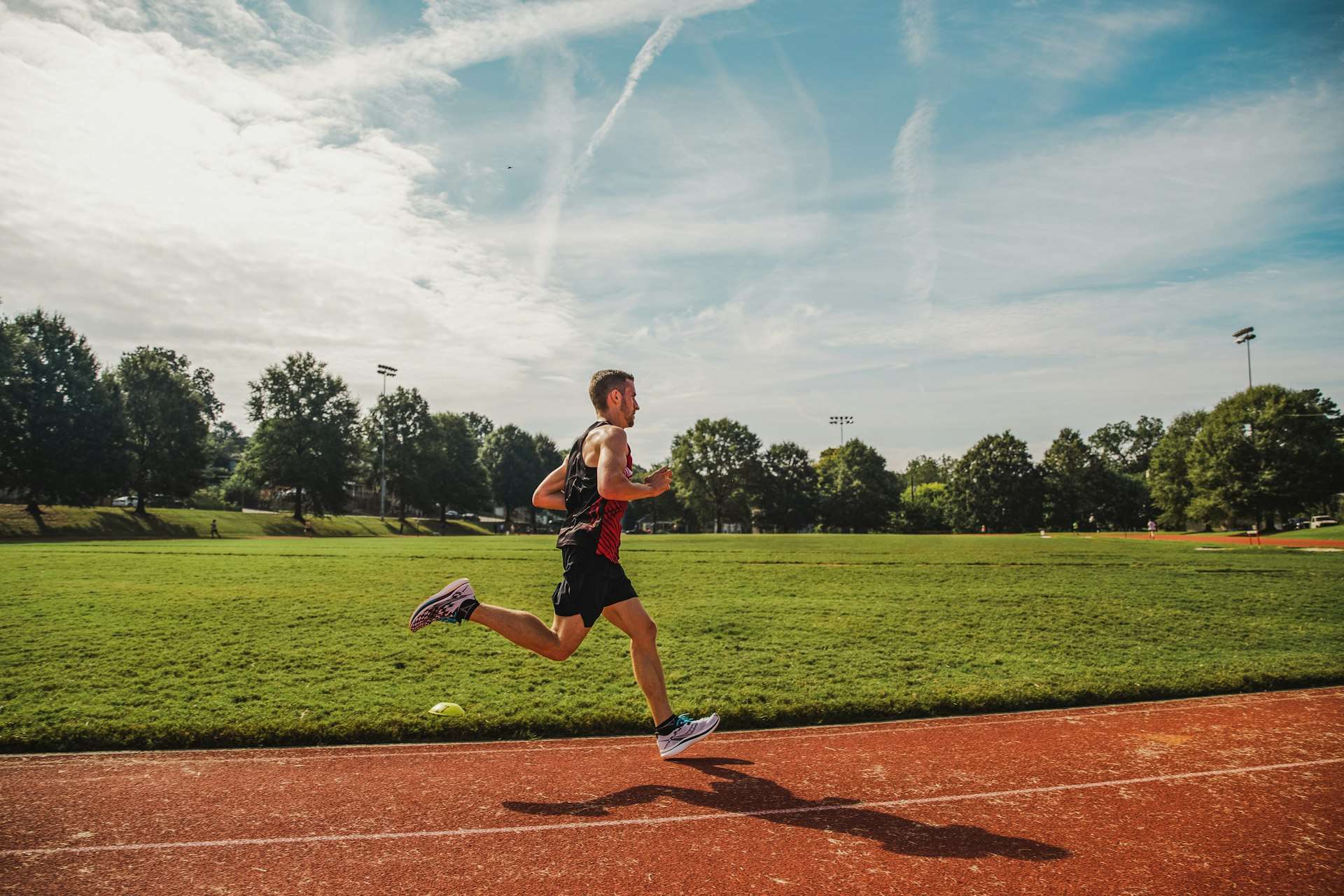
Quadriceps strain recovery follows a sequence, and skipping a step is the fastest way to repeat the injury. Range comes first, activation second, strength third, and speed last.
Getting out of pain first
- Relative rest for a few days, not weeks of stillness.
- Chiropractic care addresses the hip, knee, and pelvis together.
- Massage therapy reduces guarding around the thigh muscle.
- Active Release Technique works on restricted tissue directly.
- Gentle isometrics keep the muscle switched on.
- Walking continues in whatever range feels comfortable.
Restoring range and activation
- Range of motion work several times a day in small doses.
- Isometric holds at increasing knee angles.
- Physical therapy targets activation before adding load.
- Hip flexion loading introduced alongside knee extension.
- Single-leg control work restores confidence in the limb.
- Testing confirms the quadriceps strain recovery gap is closing.
Rebuilding strength and speed
- Slow, heavy loading through full available range.
- Eccentric work added once pain-free strength returns.
- Sports injury care coordinates the running progression.
- Sprint mechanics rebuilt gradually rather than tested suddenly.
- Maintenance work continues after discharge.
- The aim is a leg that stays strong for decades, not one season.
Related: Can Knee Arthritis Pain Radiate Down the Leg?
FAQs
How long does a quadriceps strain take to heal?
A mild strain often settles within two to three weeks, a moderate one commonly takes four to eight, and a severe tear can run several months. Healing and readiness for sport are different questions, and readiness is the later one. Strength testing rather than the calendar should decide when you go back.
Why is my leg so weak when the tear was small?
Because the nervous system reduces the signal to a muscle around an injured area, a reflex known as arthrogenic muscle inhibition. That protective response outlasts the tissue damage, which is why activation work matters as much as strengthening. It also explains why the deficit is often larger than the imaging suggests.
Should I stretch a strained quad?
Gentle range of motion work helps, and forceful stretching usually doesn’t. Pulling into pain re-irritates repairing fibers and increases the protective inhibition you’re trying to reverse. Frequent small doses of comfortable bending beat one aggressive session.
Why does going down stairs hurt more than going up?
Descending requires the quadriceps to lengthen under load while controlling your body weight, which is exactly the demand that strained it. Climbing uses a shortening contraction, which the muscle tolerates better. Stair descent tolerance is a useful marker of where your recovery actually sits.
Can a quad strain cause hip pain?
It can when the rectus femoris is involved, since that head crosses the hip as well as the knee. Symptoms near the hip crease, weakness lifting the knee, and difficulty getting into a car all point that way. That pattern changes what needs testing and loading.
Do I need an MRI?
Most strains are diagnosed from history and examination without imaging. A scan becomes useful when weakness is severe, when a complete tear is suspected, or when recovery stalls unexpectedly. Our team will tell you when a scan would change the plan rather than ordering one by default.
How do I stop it happening again?
Close the strength gap between legs, train the muscle at long lengths rather than only short ones, and keep some eccentric work in your week permanently. Sprint exposure needs rebuilding gradually rather than reappearing on match day. Most recurrences trace back to a deficit nobody measured.
Key Takeaways
- The rectus femoris is the most frequently injured quadriceps muscle because it sits superficially.
- It crosses both the hip and the knee, so a strain can weaken hip flexion as well as knee extension.
- Grade 1 strains keep normal strength, grade 2 brings noticeable loss, grade 3 causes complete loss of function.
- Arthrogenic muscle inhibition reduces the nerve signal to the muscle beyond the tissue damage itself.
- Knee bending range is limited because the injured muscle resists being lengthened.
- Walking and stair mechanics change automatically to protect the weak leg.
- Those compensations often outlast the injury and cause problems elsewhere.
- Quadriceps strain recovery runs in order: range, then activation, then strength, then speed.
- Strength testing rather than the calendar should decide when you return to sport.
Find Lasting Relief From a Stubborn Thigh Strain
A quadriceps strain affects strength and mobility through three separate mechanisms: the torn fibers themselves, a nervous system that turns the muscle down, and a body that quietly reorganizes how it walks. Treating only the first one explains why so many of these injuries drag on.
Our clinics work all three. Hands-on care settles the pain and restores motion, physical therapy rebuilds activation before strength and strength before speed, and testing confirms the gap between legs has actually closed. Getting back on the field matters. So does a thigh that still drives you up stairs comfortably thirty years from now, and both come from the same work.
Ready to take the next step toward recovery? Schedule your consultation online to visit RxWellness today and begin your path to relief.