

Table of Contents
You should see a doctor for sciatica in Tysons when your pain lasts more than a few days, radiates below the knee, or is accompanied by numbness, tingling, or weakness in the leg. Sudden loss of bladder or bowel control, or numbness in both legs, requires emergency care right away.
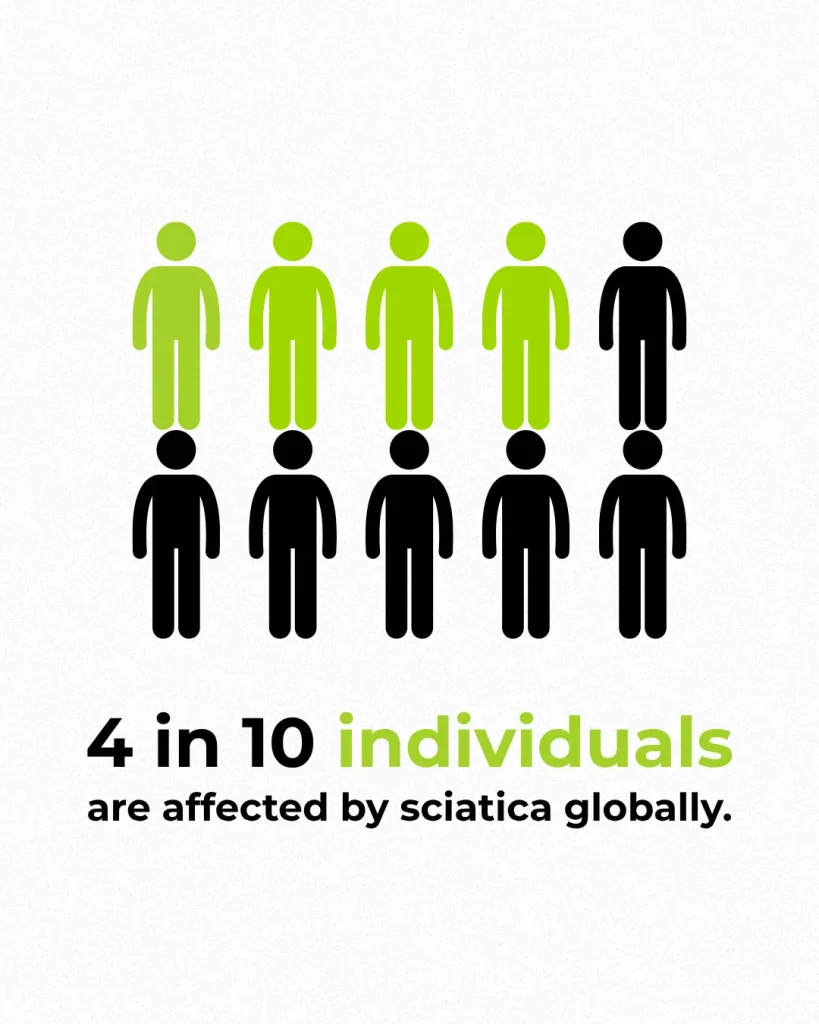
Approximately 40% of Americans experience some form of sciatica during their lifetime, making it one of the most common pain conditions affecting working-age adults. If sciatic nerve pain is keeping you from your desk, your commute, or the activities you love, waiting it out often makes the condition worse.
At RxWellness Tysons, our multidisciplinary team provides personalized, non-surgical treatment plans designed to identify the root cause of your pain and help you recover faster.
Related: When Should You See a Soft Tissue Chiropractor in Tysons?
What Causes Sciatica and When Should You See a Doctor in Tysons?
Sciatica develops when the sciatic nerve—the longest nerve in the body—becomes compressed or irritated along its path from the lower back through the buttock and down the leg. You should see a doctor in Tysons when pain persists beyond 48–72 hours, limits your daily function, or appears alongside neurological symptoms like numbness or weakness.
Common Causes of Sciatica
Most cases of sciatic nerve pain stem from structural problems in the lumbar spine that compress nerve roots. Understanding the cause is essential for choosing the right treatment approach.
- Herniated or bulging lumbar disc pressing on nerve roots
- Lumbar spinal stenosis narrows the spinal canal
- Degenerative disc disease reduces disc height
- Spondylolisthesis causes one vertebra to slip forward
- Piriformis muscle spasm is irritating the sciatic nerve
- Bone spurs from arthritis are compressing nearby nerves
Red Flag Symptoms Requiring Immediate Care
Certain sciatica symptoms indicate a medical emergency and require immediate attention—do not wait for a scheduled appointment if these occur. Research identifies these symptoms as signs of cauda equina syndrome, a spinal emergency requiring immediate intervention — do not wait for a scheduled appointment if any occur.
- Numbness or weakness in both legs simultaneously
- Loss of bladder or bowel control
- Saddle anesthesia in the groin or inner thighs
- Sciatica pain that follows a fall or injury
- Fever combined with sudden, severe back pain
Warning Signs That Mean You Need a Doctor Soon
Beyond emergency symptoms, a range of warning signs indicate that home care is not enough, and a professional evaluation in Tysons is the right next step. Catching these early prevents escalation to chronic sciatica.
- Pain that radiates below the knee consistently
- Symptoms persisting longer than 72 hours
- Increasing weakness in the foot or ankle
- Numbness that spreads or intensifies over days
- Pain that disrupts sleep or worsens with position changes
- No improvement after several days of rest and ice
Recognizing when symptoms require professional evaluation is the most important step in protecting your long-term nerve health.
What Are the Treatment Options for Sciatica?
Sciatica treatment ranges from self-care measures and conservative therapies to medical interventions and surgery, depending on the severity and duration of symptoms. The majority of cases respond well to non-surgical approaches, particularly when care begins early. At the same time, surgical options are reserved for cases involving severe structural damage or failed conservative care.
Conservative and Self-Care Approaches
For mild to moderate sciatica, several non-invasive strategies can ease symptoms and support natural healing. These are often the first line of management recommended by healthcare providers.
- Rest, ice, and heat cycling in the first days
- Over-the-counter NSAIDs for inflammation and pain
- Gentle stretching targeting the piriformis and hips
- Low-impact movement like walking or swimming
- Posture awareness and ergonomic modifications at work
- Chiropractic care to reduce spinal nerve compression
The Cleveland Clinic notes that spinal manipulation is as safe and effective as standard treatments for low back pain, making chiropractic care a well-supported conservative option for sciatica in Tysons.
Medical and Interventional Treatments
When conservative care needs reinforcement, several medical interventions can provide additional relief for persistent or moderate-to-severe sciatica.
- Prescription muscle relaxants for acute muscle spasm
- Neuropathic medications like gabapentin for nerve pain
- Epidural steroid injections deliver anti-inflammatory medication directly
- Trigger point injections for piriformis-related sciatica
- Physical therapy with targeted nerve mobilization techniques
- Dry needling to release muscular trigger points
Surgical Options for Severe Cases
Surgery is typically considered only when conservative treatments fail after 6–12 weeks, or when severe neurological symptoms develop. Surgical options include microdiscectomy, laminectomy, foraminotomy, and spinal fusion, depending on the underlying cause. Most patients who pursue early, consistent conservative care can avoid surgery entirely.
- Microdiscectomy removes disc material pressing on the nerve
- Laminectomy creates more space for compressed spinal nerves
- Foraminotomy enlarges the nerve root opening
- Spinal fusion stabilizes the spine when instability is present
Surgery offers faster short-term recovery but comparable long-term outcomes to conservative care, making non-surgical treatment the preferred starting point for most Tysons patients.
What Are the Benefits of Seeing a Doctor Early for Sciatica?
Seeing a doctor early for sciatica in Tysons delivers faster pain relief, prevents chronic nerve damage, and dramatically reduces the likelihood of needing surgery. Most cases improve within 4–6 weeks with conservative treatment when care begins promptly. Early intervention stops the cycle of inflammation, compensatory movement patterns, and progressive nerve irritation before they become entrenched.
Faster Pain Relief and Recovery
Acting quickly at the first signs of sciatic nerve pain gives your care team the advantage of treating inflammation before it compounds. Early treatment in Tysons leads to measurable improvement in the first two to four weeks.
- Reduces acute inflammation before it becomes chronic
- Restores normal movement patterns more quickly
- Shortens the overall recovery timeline significantly
- Allows earlier return to work and daily activities
Prevention of Chronic Nerve Damage
Prolonged compression of the sciatic nerve can cause lasting changes to nerve function. Seeing a doctor in Tysons quickly protects nerve health and helps preserve sensation, strength, and reflexes in the affected leg.
- Early decompression prevents permanent nerve damage
- Reduces risk of lingering numbness and weakness
- Protects against long-term functional loss in the foot
- Addresses disc issues before further deterioration
- Maintains motor function and normal reflexes
Avoiding Surgery Through Timely Care
One of the most compelling benefits of early evaluation is reducing the likelihood that sciatica progresses to a surgical case. Patients who consistently engage in conservative care are far less likely to require invasive intervention.
- Conservative care prevents escalation in most cases
- Physical therapy corrects movement patterns causing irritation
- Regenerative treatments support tissue healing non-surgically
- Consistent care plan follow-through prevents recurrence
If you’re experiencing sciatica in Tysons and are ready to find lasting relief, our team is here to help. Call RxWellness Tysons at (571) 500-4743 today to schedule your visit.
What Should You Expect During Your First Sciatica Visit in Tysons?
Your first visit for sciatica at RxWellness Tysons is a comprehensive, three-part process: a one-on-one consultation, a thorough physical and neurological examination, and your first treatment—all in a single appointment. Knowing what to expect removes the anxiety of that first step and helps you arrive prepared.
Consultation and Health History Review
Your visit begins with a one-on-one conversation about your symptoms, their onset, and how they’re affecting your daily life in Tysons. This context shapes every clinical decision that follows.
- Discussion of when and how symptoms began
- Review of aggravating and relieving factors
- Health history, including prior injuries and treatments
- Goals for recovery and return to normal activity
Physical Exam and On-Site Diagnostics
Following the consultation, your provider performs a complete neurological and orthopedic examination to identify the source of your sciatic nerve pain. On-site digital X-ray is available same day when medically necessary.
- Straight leg raise and crossover tests for nerve involvement
- Assessment of muscle strength and deep tendon reflexes
- Range of motion and postural evaluation
- Dermatomal testing to map nerve root involvement
- Digital X-rays to rule out fractures or structural instability
Your First Treatment and Follow-Up Plan
At the conclusion of your examination, you receive your first treatment before leaving—no waiting until a second visit. Your provider will recommend a follow-up appointment to assess your response and present a comprehensive, personalized care plan.
- First chiropractic adjustment or therapy session on the same day
- Initial relief-focused treatment targeting acute nerve compression
- Follow-up scheduled to review your body’s response
- Full care plan and associated costs presented at visit two
- No procedure performed without your explicit consent
Every detail of your first sciatica visit in Tysons is designed to give you immediate value and a clear path forward toward lasting recovery.
Who Should See a Doctor for Sciatica in Tysons?
Most adults with sciatic nerve pain are good candidates for professional evaluation and conservative care. Still, certain groups, especially those with severe symptoms, benefit from prompt medical attention. If you recognize yourself in any of the following categories, scheduling a visit to RxWellness Tysons sooner rather than later is strongly advisable.
Patients with Persistent or Worsening Symptoms
Anyone whose sciatica has lasted more than a few days without improvement—or whose symptoms are intensifying—should not continue waiting. Escalating symptoms are a clear signal that the underlying compression or irritation requires professional assessment and treatment.
- Pain persists beyond three to five days without relief
- Symptoms that worsen despite rest and over-the-counter care
- Radiating pain that extends progressively further down the leg
- New or increasing numbness in the calf, foot, or toes
- Weakness when lifting the foot or pushing off the toes
Patients Who Have Not Improved with Home Care
Self-care measures like ice, heat, and NSAIDs are reasonable first steps—but they have limits. If you’ve been managing sciatica at home for a week or more without meaningful improvement, a professional evaluation in Tysons is the right next step.
- Home care was tried for seven or more days without relief
- Pain returns consistently after a brief improvement
- Inability to sit or stand comfortably for any duration
- Sleep is disrupted consistently by leg or back pain
High-Risk Groups Who Need Earlier Evaluation
Certain patients face a higher risk of complications and benefit from earlier professional care. These groups should see a doctor at the first signs of sciatica.
- Adults over 50 with possible degenerative disc disease
- Individuals with diabetes affecting nerve healing
- Patients with prior spinal conditions or surgery
- Pregnant women with sciatic pain in the third trimester
Regardless of which category fits your situation, RxWellness Tysons is equipped to evaluate and treat the full range of sciatica presentations with non-surgical, evidence-based care.
How Long Does Sciatica in Tysons Take to Heal with Proper Treatment?
With appropriate care, most cases of sciatica in Tysons improve meaningfully within 4 to 6 weeks. However, full recovery timelines vary based on the underlying cause, severity, and how consistently you follow your treatment plan. Research confirms that spontaneous resolution can occur in up to 90% of patients with appropriate management—reinforcing that the right care, started at the right time, leads to the best outcomes.
Acute vs. Chronic Sciatica Recovery Timelines
The timeline for sciatica recovery differs considerably depending on whether you’re dealing with a new episode or a long-standing condition. Understanding which category applies to you helps set realistic expectations.
- Acute sciatica: improvement often begins within one to two weeks
- Most cases resolve significantly within four to six weeks
- Approximately three out of four patients improve within a few weeks
- Chronic or recurring sciatica may require eight to twelve weeks
- Severe disc herniation cases may take three to six months
The Three Phases of Sciatica Recovery
Recovery from sciatica follows a recognizable progression that your care team at RxWellness Tysons will guide you through. Knowing which phase you’re in helps you understand why certain symptoms persist even as you improve overall.
- Centralization: Pain begins retreating from the leg toward the lower back
- Desensitization: Pain intensity reduces, though numbness may linger
- Nerve rehabilitation: Pressure on the nerve decreases, and function returns
Factors That Speed Up or Slow Down Healing
Several factors within your control can meaningfully accelerate or delay the rate of resolution of your sciatica with treatment in Tysons.
- Adherence to your RxWellness care plan speeds recovery
- A sedentary lifestyle and prolonged sitting slow nerve healing
- A healthy weight reduces spinal load and inflammation
- Quality sleep and stress management support nerve repair
- Smoking and poor nutrition delay tissue healing
The more consistently you engage with your treatment plan, the faster and more completely your sciatic nerve will heal.
Related: What Are the Most Common Causes of Hip Pain in Tysons?
Why Choose RxWellness Tysons for Sciatica Treatment?
At RxWellness Spine & Health Tysons, our multidisciplinary team brings together chiropractors, physical therapists, and nurse practitioners who work as one coordinated unit to address the root cause of your sciatica. Patients throughout Tysons, McLean, and Great Falls trust us to deliver evidence-based, non-surgical care.
- 150,000+ patients treated across all locations
- 7,500+ five-star reviews from satisfied patients
- Named the INC 5000 fastest-growing company three consecutive years
- Board-certified, multidisciplinary team under one roof
- Same-day appointments available for urgent pain needs
- Medicare, Anthem Blue Cross Blue Shield, and Cigna are accepted
- 12 state-of-the-art facilities across Virginia and Maryland
- New patients seen for just $19 (comprehensive first visit)
Our Three-Phase Approach to Sciatica Recovery
Our treatment approach follows a structured three-phase care model designed to guide you from pain relief through complete recovery:
- Phase 1 — Relief Care: Alleviates acute pain and inflammation, stabilizes the condition
- Phase 2 — Corrective Care: Addresses underlying structural issues, rebuilds strength, and restores proper biomechanics
- Phase 3 — Wellness Care: Maintains progress, prevents recurrence through periodic care and lifestyle guidance
Here’s how our Tysons team puts these phases into practice through targeted, evidence-based sciatica treatments.
Sciatica Treatment Services at RxWellness Tysons
At RxWellness Tysons, we combine proven therapies to address sciatic nerve pain from multiple angles—relieving immediate discomfort while rebuilding spinal stability and long-term nerve health. Each plan is tailored to your specific diagnosis and recovery goals.
Chiropractic Care
Chiropractic adjustments restore proper spinal alignment and reduce nerve compression that is at the root of most sciatica cases, targeting the mechanical source of the pain directly.
- Corrects spinal misalignments, compressing sciatic nerve roots
- Reduces disc pressure contributing to nerve irritation
- Restores the normal range of motion and joint mechanics
- Drug-free, non-surgical approach to lasting relief
Physical Therapy and Rehabilitation
Targeted physical therapy strengthens the muscles supporting the lumbar spine and pelvis, improves flexibility, corrects movement patterns, and reduces mechanical load on the sciatic nerve.
- Strengthens core, hip, and lumbar stabilizer muscles
- Improves flexibility in the tight piriformis and hamstrings
- Corrects faulty movement patterns causing nerve irritation
- Incorporates nerve glide techniques for symptom reduction
Spinal Decompression Therapy
Spinal decompression is a non-surgical traction therapy that gently stretches the spine to relieve pressure on compressed discs and nerves, making it one of the most effective tools for disc-related sciatica in Tysons.
- Creates negative intradiscal pressure to retract the herniation
- Promotes nutrient absorption and disc hydration
- Directly relieves pressure on compressed sciatic nerve roots
- Non-invasive alternative to surgical disc intervention
Dry Needling
Dry needling involves inserting thin, sterile needles into muscular trigger points to relieve pain, reduce inflammation, and improve mobility—particularly effective for piriformis syndrome and muscle-related sciatica.
- Releases tight piriformis and gluteal trigger points
- Reduces muscle spasm compressing the sciatic nerve
- Improves circulation and promotes healing in affected tissues
- Decreases inflammation contributing to nerve sensitivity
Regenerative Medicine (PRP and A2M)
For patients with underlying degenerative disc or joint conditions contributing to sciatica, regenerative medicine offers advanced non-surgical options that support tissue healing from within.
- PRP Therapy — Concentrated growth factors accelerate disc and tissue healing
- A2M Injections — Inhibits enzymes that degrade cartilage and joint tissue
- Targets structural degeneration underlying chronic sciatic nerve pain
- Non-surgical alternatives to invasive spinal procedures
Ready to take the next step toward recovery? Schedule your consultation online to visit RxWellness Tysons today!
FAQs About When to See a Doctor for Sciatica in Tysons
Is sciatica serious enough to warrant a visit to a doctor in Tysons?
Yes—sciatica should be evaluated by a healthcare provider when symptoms persist beyond a few days, including numbness or weakness, or radiate below the knee. While mild sciatic discomfort sometimes resolves on its own, persistent or worsening symptoms indicate nerve compression that benefits from professional diagnosis and treatment. Delaying care often allows the underlying cause to worsen.
What happens if you leave sciatica untreated?
Untreated sciatica can progress from temporary irritation to chronic nerve damage, persistent weakness, and lasting changes to sensation in the leg and foot. Prolonged nerve compression also increases the likelihood of eventually needing surgical intervention. Early conservative treatment in Tysons is the most effective way to prevent these outcomes and protect long-term nerve health.
Does insurance cover sciatica treatment at RxWellness Tysons?
Yes. RxWellness Tysons accepts Medicare, Anthem Blue Cross Blue Shield, and Cigna. Our team works with you to verify your benefits before your first appointment. It will clearly explain your coverage for chiropractic care, physical therapy, and other services. New patients can also take advantage of our $19 comprehensive first visit for those paying out of pocket.
Can a chiropractor treat sciatica without surgery?
Absolutely. Chiropractic care is one of the most well-supported non-surgical treatments for sciatica. Spinal adjustments reduce nerve compression, restore proper alignment, and decrease inflammation, which contribute to sciatic nerve pain. At RxWellness Tysons, our chiropractors work alongside physical therapists and other specialists to deliver a comprehensive, surgery-free approach to sciatica relief.
How do I know if my sciatica needs emergency care?
Go to an emergency room immediately if your sciatica symptoms include loss of bladder or bowel control, numbness in both legs at once, saddle anesthesia (numbness in the groin and inner thighs), severe weakness that develops suddenly, or sciatica that began after a traumatic injury. These symptoms may indicate cauda equina syndrome, a serious spinal emergency that requires immediate surgical decompression for the best outcome.
Key Takeaways
- See a doctor for sciatica in Tysons when symptoms persist beyond 72 hours or worsen.
- Red flag symptoms—loss of bladder control, bilateral leg numbness—require immediate emergency care.
- Most cases of sciatic nerve pain improve within 4–6 weeks with consistent conservative treatment.
- Early intervention prevents chronic nerve damage and reduces the risk of surgery.
- RxWellness Tysons offers a multidisciplinary, non-surgical approach combining chiropractic care, physical therapy, spinal decompression, and regenerative medicine.
- Accepting Medicare, Anthem, and Cigna—new patients welcome with a $19 comprehensive first visit.
Related: Physical Therapy in McLean, VA – Expert Care for Injury Recovery
Find Lasting Relief from Sciatica in Tysons
Understanding when to see a doctor for sciatica in Tysons can be the difference between a quick recovery and months of chronic, worsening pain. Research shows that spontaneous resolution can occur in up to 90% of patients with appropriate management—but appropriate management means starting the right treatment at the right time.
The team at RxWellness Tysons combines advanced diagnostics, non-surgical therapies, and personalized care plans to help you recover fully and prevent future flare-ups.
RxWellness Spine & Health Tysons/McLean Online Reservations
8609 Westwood Center Dr, Suite 620, Vienna, VA 22182
Phone: (571) 500-4743
Serving Tysons and nearby communities, including McLean, Great Falls, Wolf Trap, and Salona Village.