

Table of Contents
Back pain during pregnancy comes from three changes happening at once: hormones soften the ligaments, a growing uterus shifts your balance point, and the abdominal muscles that normally brace your spine stretch and lose leverage. None of that means something has gone wrong.
It’s also close to universal. Up to 86% of pregnant women have lumbopelvic pain in the third trimester, and most of them are told to wait it out. You don’t have to.
What Causes Back Pain During Pregnancy?
Back pain during pregnancy has mechanical and hormonal causes that build on each other. Ligaments loosen, the center of gravity moves forward, and the deep core stops sharing the load. The spine and pelvis absorb the difference.
What hormones change
- Relaxin and progesterone soften ligaments across the pelvis and spine.
- Relaxin and progesterone relax muscles and loosen ligaments and joints.
- Looser joints move further before soft tissue stops them.
- The sacroiliac joint becomes noticeably more mobile.
- Muscles work harder to control that extra motion.
- Fatigue in those muscles turns into aching by evening.
What changes mechanically
- The expanding uterus shifts your center of gravity forward.
- Abdominal muscles stretch and lose their bracing leverage.
- The lumbar curve deepens to keep you upright.
- Weight gain adds load to already loaded joints.
- Breasts and chest wall pull the upper back forward.
- Standing still becomes harder than walking.
What makes it worse day to day
- Long stretches of sitting with no back support.
- Standing on one hip while holding a toddler.
- Sleeping without a pillow between the knees.
- Lifting from the waist rather than the legs.
- Shoes with no support through the arch.
- Doing nothing at all for several weeks.
New to RxWellness? Your first visit, including consultation, examination, and treatment, is just $19. Book your new patient appointment today.
Related: 5 Natural Remedies for Back Pain
When Does Back Pain During Pregnancy Start and Peak?
Back pain during pregnancy often starts earlier than people expect, because hormonal ligament changes begin well before the bump does. Intensity then climbs with load, and most people describe their worst weeks in the late second and early third trimester.
First trimester patterns
- Ligament softening starts before any visible change.
- Early aching is often mild and comes and goes.
- Fatigue makes posture slump sooner in the day.
- Nausea reduces activity, which weakens support muscles.
- Some people feel nothing at all this early.
- Pain this early rarely means anything serious.
Second and third trimester patterns
- Load rises steadily as the uterus grows.
- Pain intensity generally peaks between 24 and 36 weeks.
- Lower back pain and pelvic pain often arrive together.
- Turning in bed becomes the hardest movement of the day.
- Walking distance shortens before anything else does.
- Symptoms often ease slightly in the final weeks.
What the pattern tells you
- Pain tracking with load points to a mechanical cause.
- Pain that ignores position deserves a closer look.
- Steady worsening matters more than a bad day.
- Night pain that wakes you is worth reporting.
- One-sided pain often involves the sacroiliac joint.
- Treating back pain during pregnancy early beats waiting until 34 weeks.
Related: Anterior Pelvic Tilt: Causes, Symptoms, and Chiropractic Treatment
How Is Pelvic Girdle Pain Different From Lower Back Pain?
Lower back pain sits in the lumbar spine and usually spreads across the belt line. Pelvic girdle pain sits lower, at the sacroiliac joint or the pubic joint at the front, and it behaves differently. The distinction changes the treatment plan.
How lower back pain behaves
- Pain sits above the waistband, across the lumbar spine.
- Bending forward and lifting reproduce it most reliably.
- It often eases when you lie down and unload.
- Muscle tightness runs alongside the spine.
- Standing for long periods makes it ache.
- It responds well to positioning and gentle motion.
How pelvic girdle pain behaves
- Pelvic girdle pain affects up to 1 in 5 pregnant women to some degree.
- Pain sits deep in the buttock, groin, or pubic joint.
- Single-leg tasks like stairs and dressing provoke it.
- Rolling over in bed can be sharply painful.
- A clicking or grinding sensation is common.
- Walking distance drops faster than with lumbar pain.
Why the difference matters
- Pelvic girdle pain needs load management, not more stretching.
- Sacroiliac joint pain responds to support and targeted work.
- Symmetrical movement protects an irritated pubic joint.
- Generic core exercises can aggravate pelvic girdle pain.
- A support belt helps one pattern more than the other.
- The right label saves weeks of the wrong exercises.
If you’re ready to find lasting relief from back pain during pregnancy, our team at RxWellness is here to help. Call the nearest RxWellness Spine and Health clinic to schedule your consultation today.
Related: What Causes Anterior Pelvic Tilt and Which Exercises Address the Root Issue?
What Can You Do at Home to Ease Back Pain During Pregnancy?
Most people get meaningful relief from posture changes, sleep positioning, heat, and regular gentle movement. Home care won’t fix a mechanical problem on its own, but it decides how much pain you carry between appointments.
Positioning that helps
- Sleep on your side with a pillow between the knees.
- Support the bump with a second pillow underneath.
- Sit back into the chair rather than perching forward.
- Put a small cushion behind the lower back at a desk.
- Stand with weight even across both feet.
- Squat to lift rather than bending at the waist.
Movement that helps
- Aim for 150 minutes of moderate activity a week while pregnant.
- Walking counts, and short walks beat one long one.
- Swimming unloads the spine while keeping muscles working.
- Prenatal yoga keeps hips and thoracic spine mobile.
- Gentle pelvic floor work supports the whole system.
- Stop any movement that produces sharp pain.
Comfort measures worth trying
- A warm shower before bed loosens guarded muscle.
- A heat pack on the lower back for 15 to 20 minutes.
- A maternity support belt for pelvic girdle pain.
- Supportive shoes with proper arch support, not flat sandals.
- Shorter standing blocks with sitting breaks between.
- Massage therapy from a therapist trained in prenatal care.
Related: Can Chiropractic Care Help Back Pain Patients Who Feel Worse With Exercise?
How Does a Multidisciplinary Team Treat Back Pain During Pregnancy?
A coordinated team treats back pain during pregnancy in stages: settle the pain, restore how the pelvis and spine share load, then build strength that carries into recovery after birth. More than 75 percent of pregnant women experience pregnancy-related low back pain, pelvic pain, or a combination, so this is routine work for us.
Getting out of pain first
- Prenatal chiropractic care uses gentle, pregnancy-adapted techniques.
- Side-lying and drop-table methods avoid pressure on the abdomen.
- Massage therapy settles guarded muscle around the pelvis.
- Prenatal positioning advice reduces load between visits.
- A support belt offloads an irritated sacroiliac joint.
- Most people notice change within the first few visits.
Restoring how you move
- Physical therapy rebuilds hip and deep core control.
- Pelvic floor coordination work supports the pelvis from below.
- Breathing retraining restores the deep abdominal brace.
- Single-leg control work protects the pelvic girdle.
- Graded walking rebuilds tolerance without flaring symptoms.
- Progress gets measured, not guessed at.
Building toward life after birth
- Prenatal and postnatal care continues past delivery.
- Postpartum pelvic floor rehab prevents lingering problems.
- Core work rebuilds what pregnancy stretched.
- Lifting mechanics matter more with a baby to carry.
- Strength built now protects the next decade of hips and spine.
- Care shifts from relief to keeping you steady long term.
Our founder was named a Top Chiropractor in ABC7’s Good Morning Washington Top Docs series, which recognized the patient-centered model that prenatal care depends on. The integration of King Street Wellness into the RxWellness family widened what one plan can cover for an expecting patient.
Related: Physical Therapy vs. Chiropractic Care: What’s the Difference?
When Should Back Pain During Pregnancy Be Checked by a Provider?
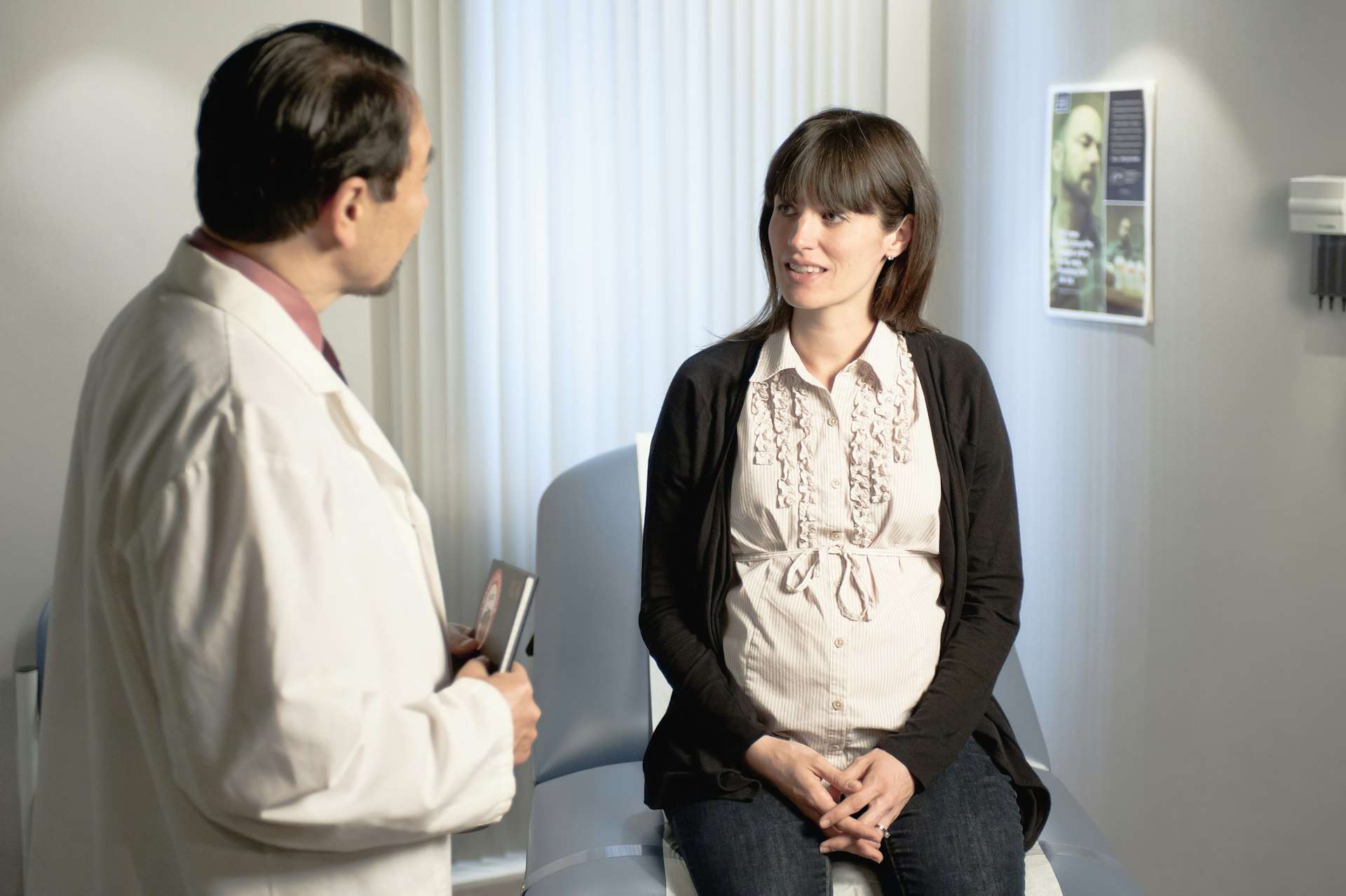
Most back pain during pregnancy is mechanical and safe to treat conservatively. A short list of symptoms changes that, and they’re worth knowing so you don’t spend a weekend wondering.
Symptoms that need urgent attention
- Rhythmic cramping that comes in a regular pattern.
- Vaginal bleeding or fluid loss alongside back pain.
- Fever or chills with pain in the flank or lower back.
- Burning with urination plus one-sided back pain.
- Numbness or weakness spreading down both legs.
- Any loss of bladder or bowel control.
Symptoms worth a prompt appointment
- Pain that steadily worsens over two weeks.
- Pain shooting below the knee with pins and needles.
- Sudden trouble weight-bearing on one leg.
- Night pain that wakes you and won’t settle.
- Pain following a fall or a car accident.
- Symptoms that stop you sleeping most nights.
What a first assessment covers
- A history of when symptoms started and what provokes them.
- Screening questions to rule out non-mechanical causes.
- Testing that separates lumbar from pelvic girdle pain.
- Checking how the sacroiliac joint tolerates single-leg load.
- Reviewing sleep positions, work setup, and daily habits.
- Coordination with your obstetric provider where useful.
RxWellness has been an Inc. 5000 honoree for four consecutive years, and our co-founder led the practice to No. 32 on the WPO list of fastest-growing women-owned and women-led companies. Our acquisition of AllCare Chiropractic and Injury added four established clinics to that same multidisciplinary model.
Related: How Chiropractic Treatment Works as a Joint Pain Remedy
FAQs
Is chiropractic care safe while pregnant?
Pregnancy-adapted chiropractic care is widely used and generally well tolerated when the provider trains for it. Techniques change: side-lying positions, drop-table adjustments, and lower force replace anything that puts pressure on the abdomen. Tell any provider you’re pregnant and how far along you are before your first appointment.
Will back pain during pregnancy go away after birth?
For many people it settles within weeks of delivery as hormones normalize and load comes off the spine. For others it lingers, particularly when pelvic floor and deep core strength never fully return. That’s the group who benefit most from postpartum rehab rather than waiting another six months.
Can I use a heating pad on my back while pregnant?
Local heat on the lower back is generally considered fine, and it helps guarded muscle release before movement. What providers advise against is raising your whole body temperature, so hot tubs, saunas, and very hot baths are different questions. Keep sessions to 15 or 20 minutes and skip heat on the abdomen.
What sleeping position helps lower back pain in pregnancy?
Side-lying with a pillow between the knees keeps the pelvis level and takes torsion off the sacroiliac joint. A second pillow under the bump stops the top hip dropping forward overnight. Rolling over as one unit, knees together, prevents the sharp twinge that wakes many people.
Is it safe to exercise with pelvic girdle pain?
Usually yes, with the format adjusted. Symmetrical movement like swimming, stationary cycling, and double-leg work tends to feel better than lunges, stairs, and long walks. The rule of thumb is that activity which leaves you sore for more than a day was too much.
Could my back pain be sciatica instead?
True sciatica means nerve pain travelling below the knee, often with pins and needles or weakness. Far more pregnancy pain sits in the buttock and stops at the thigh, which points to the sacroiliac joint rather than the nerve. An assessment separates the two in a few minutes, and the treatment differs.
How soon can I start treatment?
There’s no need to wait for a particular trimester, and starting early usually means fewer weeks of pain. Care in the first trimester tends to focus on positioning, gentle manual work, and habits. Later on it shifts toward load management, support, and preparing for recovery after birth.
Key Takeaways
- Back pain during pregnancy is common, and up to 86% of pregnant women have lumbopelvic pain in the third trimester.
- Relaxin and progesterone loosen ligaments and joints, so muscles work harder to control motion.
- The expanding uterus shifts your center of gravity and stretches the abdominal muscles.
- Pain intensity generally peaks somewhere between 24 and 36 weeks of pregnancy.
- Pelvic girdle pain affects up to 1 in 5 pregnant women and behaves differently from lumbar pain.
- More than 75 percent of pregnant women report low back pain, pelvic pain, or both.
- Aiming for 150 minutes of moderate weekly activity supports both pregnancy and back health.
- Fever, bleeding, rhythmic cramping, or spreading leg weakness all need same-day attention.
- Prenatal chiropractic care, physical therapy, and massage together treat back pain during pregnancy in stages.
Find Lasting Relief From Pregnancy Back Pain
Back pain during pregnancy happens because hormones, load, and posture change faster than the muscles supporting your spine can adapt. That’s a mechanical problem, which means it responds to mechanical care rather than to waiting.
Our clinics treat it in phases. Pregnancy-adapted chiropractic care and massage settle the pain, physical therapy and pelvic floor work restore how your pelvis shares load, and the strength you build carries into postpartum recovery and the decades after it. Feeling better this month matters. Moving well at fifty matters more, and the two are the same plan.
Ready to take the next step toward recovery? Schedule your consultation online to visit RxWellness today and begin your path to relief.