
Table of Contents
Your elbow has ached for most of a year, and now someone has mentioned surgery. Regenerative medicine in Arlington is one option people ask about at that point, and it deserves a straight answer. It’s a common question, since about 33 million U.S. adults have osteoarthritis alone.
Here’s the short version. Regenerative medicine can be a reasonable step before surgery for some joint and tendon problems. Still, it isn’t a guaranteed alternative to surgery, and the research behind it varies by condition.
What Is Regenerative Medicine and How Is It Different From Surgery?
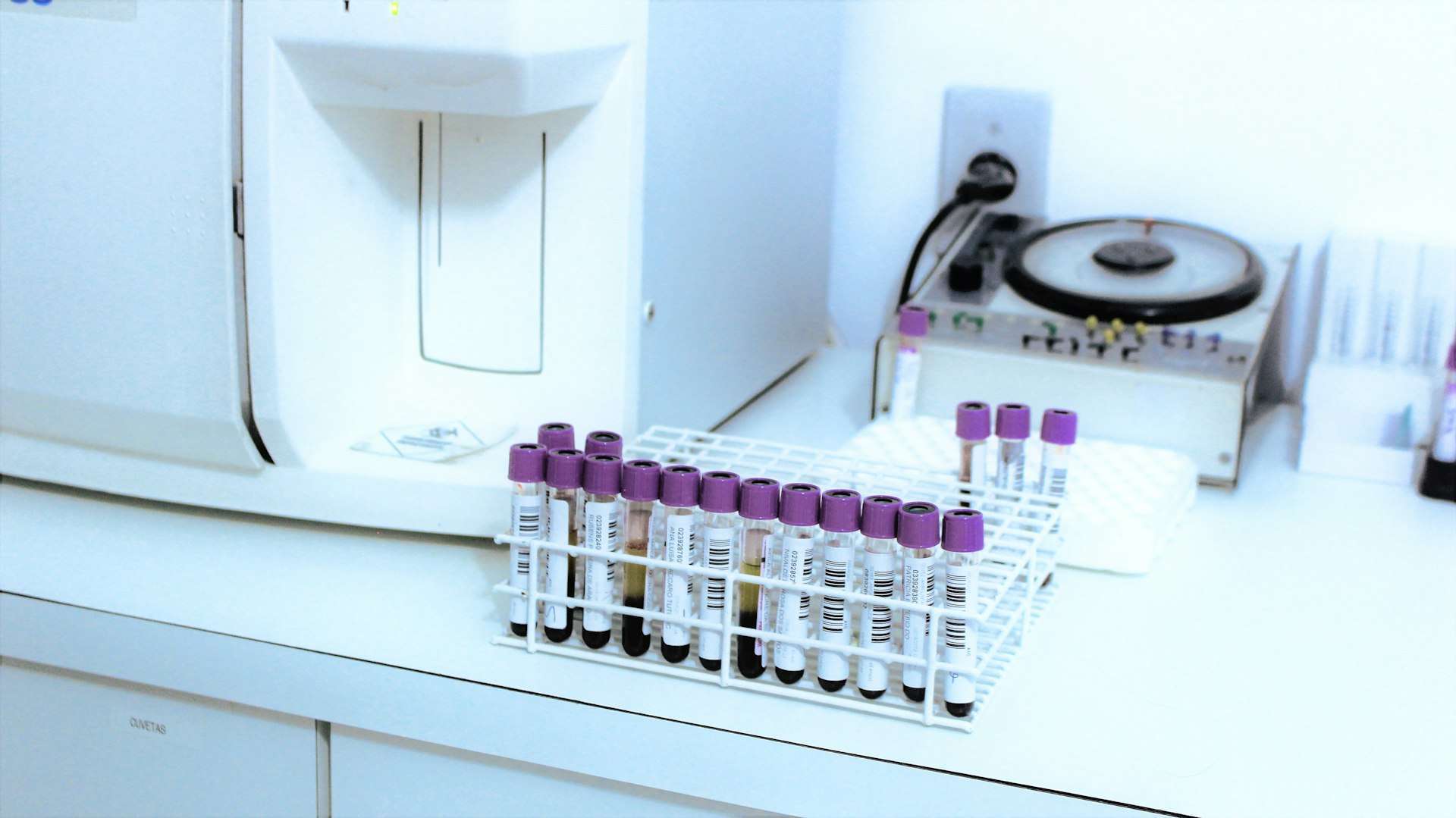
Regenerative medicine uses injections, often made from your own blood, that aim to calm inflammation and support healing. Surgery repairs, removes or replaces tissue, so an injection isn’t a direct alternative to surgery. Regenerative medicine in Arlington works on a different part of the problem.
Regenerative medicine injections you may hear about
- PRP injections concentrate platelets from a small sample of your blood.
- PRF is a platelet-rich fibrin preparation built for sustained growth factor release.
- A2M is a blood protein that blocks enzymes linked to cartilage breakdown.
- HCTP products use human cells and tissues and are meant to support repair.
- Researchers are still testing stem cell injections for knee osteoarthritis.
- Each preparation targets inflammation and tissue healing in its own way.
- No single preparation works the same way for every joint or tendon.
How an injection differs from an operation
- Treatment uses a needle rather than an incision.
- Many preparations start with a blood draw on the day of treatment.
- Recovery after PRP injections often starts with about a week of light activity.
- Improvement builds over weeks to months rather than right away.
- Surgery can rebuild or replace structures that no injection can restore.
- An injection doesn’t change a joint’s alignment or remove damaged tissue.
- Neither option removes the need for strength work around the joint.
Problems where regenerative medicine comes up most
- Knee osteoarthritis is the most studied use for PRP injections.
- Tennis elbow is another common reason people ask.
- Some sports medicine programs use PRP for Achilles and hamstring tendinitis.
- Some programs also use PRP for shoulder, hip, foot and ankle arthritis.
- Joint pain that returns after steroid shots wear off often prompts the question.
- People who can still exercise tend to be better candidates.
- Severe, bone-on-bone arthritis usually calls for a different conversation.
Regenerative medicine is available at our Arlington clinic. After an exam, our team talks with you about whether it fits your joint or tendon problem.
Related: Pain Management in Arlington | Pain Management at RxWellness
New to RxWellness? Your first visit — including consultation, examination, and treatment — is just $19. Book your new patient appointment today!
What Does the Research Say About Regenerative Medicine as an Alternative to Surgery?
The evidence depends on the problem. PRP injections have the strongest support, mainly for mild to moderate knee osteoarthritis and tennis elbow. Stem cell research is lower quality, and we found no study showing that regenerative medicine reliably prevents surgery.
Who PRP injections suit best, based on current guidance
- Mild to moderate knee osteoarthritis has the most research behind it.
- Candidates usually still hurt after weight loss, therapy and pain relievers.
- The ability to keep exercising makes someone a likelier candidate.
- Joints without major misalignment are better suited.
- Tennis elbow trials favor PRP after two months, with limited long-term data.
- Patients should expect gradual results rather than quick relief.
- Severe arthritis usually points toward a surgical opinion instead.
What the studies on PRP and stem cells found
- Rehabilitation physicians backed PRP in 2026 for some people with persistent knee osteoarthritis symptoms.
- They added that people with severe arthritis or a misaligned joint should probably consider knee replacement.
- Researchers reviewing 20 randomized trials linked PRP to more long-term tennis elbow improvement.
- Steroid injections produced the most improvement in the short term in that review.
- Researchers are still studying whether PRP can preserve or regrow cartilage.
- Reviewers in 2025 rated the stem cell evidence for knee osteoarthritis as low certainty.
- They suggested most relief after stem cell injections came from placebo-type effects.
What the research can’t promise yet
- We found no study showing regenerative medicine delays a joint replacement.
- Cartilage regrowth in human joints remains unproven.
- Results measured in years are scarce.
- There’s no single standard dose, schedule or preparation method.
- Nobody can yet predict reliably who will respond.
- Results may vary with how a PRP injection is prepared.
- Benefits seen in one joint may not carry over to another.
In a May 2026 statement, rehabilitation physicians recommend PRP for mild-to-moderate knee osteoarthritis when symptoms persist despite standard treatment. For tennis elbow, researchers pooled 20 randomized trials with 1,271 patients in one network meta-analysis. PRP was associated with more improvement in pain and function at two months or later, while steroid shots led earlier, though most trials had unclear or high bias risk.
Stem cell findings are weaker. In a 2025 review of knee osteoarthritis trials, researchers working from low-certainty evidence suggested the majority of improvement reflected contextual (placebo) effects. The cells themselves added only a modest benefit. We weigh that when we discuss regenerative medicine in Arlington with you.
Related: Arthritis in Arlington, VA: Arthritis or Injury?
When Is Surgery a Better Choice Than Regenerative Medicine?
Surgery is often the better choice for a badly worn or misaligned joint, a full tendon tear, or pain that months of non-surgical care haven’t helped. Regenerative medicine in Arlington suits earlier-stage problems, and we’ll tell you when a surgical opinion makes more sense.
Signs a surgical opinion makes sense
- Severe arthritis with major joint changes appears on imaging.
- A knee or hip looks visibly misaligned.
- Knee pain dominates daily life after other treatments have failed.
- Tennis elbow hasn’t improved after 6 to 12 months.
- A joint repeatedly locks or gives way.
- You suspect a full tendon tear after a sudden injury.
- Weakness around the joint keeps getting worse.
A suspected full tendon tear or weakness that keeps getting worse needs a physician promptly, not a wait-and-see plan.
Questions that shape the surgery decision
- How much does the pain limit work, sleep and daily tasks?
- How advanced are the changes on X-ray or MRI?
- Have you tried a full course of exercise and conservative care?
- What does your job ask of the joint each day?
- How would you handle months of rehabilitation after an operation?
- Do you have health conditions that raise surgical risk?
- What would you lose by waiting another few months?
Emergency signs that need 911 or the emergency room
- You suddenly lose bladder or bowel control along with back pain.
- Numbness spreads across the groin or inner thighs.
- A joint turns hot, red and swollen while you have a fever.
- An arm or leg turns cold, pale or blue.
- You can’t bear weight after a fall or crash.
- An arm or leg becomes suddenly weak.
- A limb looks deformed after an injury.
If you notice any of those emergency signs, call 911 or go to the emergency room. For other cases, surgery decisions weigh factors like age, pain intensity and disability level. With tennis elbow, the NHS notes surgery may be an option after 6 to 12 months of persistent symptoms.
Related: When Should I See an Injury Doctor in Arlington?
If you’re ready to address joint and tendon pain in Arlington, our team at RxWellness is here to help. Call (571) 605-2799 to schedule your consultation today.
How Does Regenerative Medicine Fit a Long-Term Plan for Joint Pain?

An injection may ease joint pain enough for you to train, but it doesn’t do the training for you. Strength, movement and weight management help keep joints working for decades. Regenerative medicine in Arlington works best as one piece of that longer plan.
Habits that protect joints for decades
- Strength training builds the muscles that support each joint.
- Low-impact cardio such as walking, cycling or swimming keeps you moving with less joint stress.
- Range-of-motion work keeps stiff joints limber.
- Balance and agility drills help you keep up with daily tasks.
- Weight management eases the load on knees and hips.
- Water exercise lowers joint stress while you train.
- Regular reassessments keep your plan matched to your goals.
Progress markers worth tracking after treatment
- Walks last longer before joint pain starts.
- Stairs, kneeling and getting up from a chair feel easier.
- Fewer nights get interrupted by an aching joint.
- Grip and lifting feel stronger with a sore elbow.
- Flare-ups after busy days turn shorter and milder.
- You return to activities you’d stopped doing.
- Strength measurements improve at each reassessment.
Aftercare that gives PRP injections a fair test
- You may use crutches on injection day to take weight off the joint.
- Light activity is typical for about the first week.
- You build back to normal activity gradually after that.
- Improvement can take six weeks to three months to show.
- Strength work continues rather than rest alone.
- We measure what’s changed at a follow-up visit.
- If progress stalls, we review the plan honestly.
Exercise can reduce joint pain and stiffness while building flexibility, strength and endurance, according to the NIH. Harvard Health adds that PRP injections don’t replace weight management and exercise. Staying strong and active for decades is the purpose of Wellness Care.
Related: Can a Chiropractor Treat Chronic Pain in Arlington?
Why Choose RxWellness Arlington for Regenerative Medicine Care?
RxWellness Spine & Health Arlington chiropractors start a regenerative medicine conversation with a hands-on exam and your history. We review any imaging you have. We’ll tell you plainly when an injection fits, when it doesn’t and when a surgeon should weigh in first.
- Our Arlington clinic dates to December 2019, when RxWellness opened its third location in Arlington.
- Of the 2024 Inc. 5000 honorees based in the DMV/WV region, RxWellness came in at No. 118.
- In 2025, RxWellness earned No. 1,523 on the Inc. 5000 among fast-growing private companies.
- With our co-founder and COO helping lead the company, RxWellness took 32nd place on WPO’s fastest-growing list for 2023.
- Our teams have served more than 150,000 patients, with Arlington care adding to that count since 2019.
- A five-star rating appears on more than 7,500 RxWellness patient reviews.
Regenerative medicine has a defined place inside our care model.
The RxWellness Three-Phase Care Model
We place each treatment within three connected phases and shift the mix as your joint or tendon responds.
- Relief Care calms a painful knee, shoulder or elbow with closer visit spacing while we confirm the diagnosis.
- Corrective Care works on joint mechanics and muscle balance around the treated area, backed by exercises you do at home.
- Wellness Care keeps you lifting, walking and playing with a long-range strength routine and scheduled reviews.
Our Arlington team pairs regenerative medicine with the hands-on treatments listed below.
Related: Chiropractor Near Me in Arlington, VA: Your Guide to Natural Pain Relief and Wellness
Which Treatments Pair With Regenerative Medicine at RxWellness Arlington?
At RxWellness Spine & Health Arlington, our team combines regenerative medicine with chiropractic care, soft tissue work and dry needling. We choose treatments based on your exam, the joint or tendon involved and how it responds. Regenerative medicine in Arlington is one part of that mix, not the whole plan.
Hands-on treatments available at our Arlington clinic
- Chiropractic care helps restore motion in stiff joints and the spine.
- Active Release Technique targets scar tissue and adhesions around overworked tendons.
- Dry needling treats muscle trigger points that limit movement.
- Massage therapy eases muscle tension around a sore joint.
- Cupping treatments use suction to relieve tension in tight muscles.
- Kinesio Taping supports muscles and joints during activity.
- Inflammation Management uses blood analysis to look for root causes of chronic inflammation.
Conditions our Arlington team evaluates for regenerative medicine
- Knee pain from mild to moderate knee osteoarthritis often starts the conversation.
- Arthritis in the hips or shoulders may also qualify.
- Tendonitis flare-ups tied to work or training are another frequent concern.
- Elbow pain from tennis elbow sometimes lingers despite rest.
- Shoulder pain from irritated rotator cuff tendons is worth a closer look.
- Joint pain that returns after steroid shots wear off deserves a fresh plan.
- We also assess hip pain that limits walking or stairs.
Preparing for regenerative medicine in Arlington
- Bring any recent X-ray or MRI reports.
- List past injections, with dates and how long relief lasted.
- Note the activities that trigger your pain.
- Bring a list of medications, including blood thinners.
- Write down any surgeon’s recommendations you’ve received.
- Pick your top two or three activity goals.
- Wear loose clothing so we can examine the sore joint.
Related: Can Dry Needling in Arlington Relieve Neck and Shoulder Pain?
Ready to take the next step toward recovery? Schedule your consultation online to visit RxWellness Arlington today and begin your path to relief.
FAQs
Can regenerative medicine regrow cartilage?
There’s no proof yet that regenerative medicine regrows cartilage in human joints. Researchers are still studying whether PRP can help preserve or regenerate cartilage, according to Harvard Health. The benefits shown so far are mostly about pain and function. Be cautious with any provider who promises new cartilage.
How long do PRP injections take to work?
Most people need patience, because improvement can take six weeks to three months to show up. Relief tends to build gradually rather than overnight. How long relief lasts varies with arthritis severity, how consistently you stay active and other health conditions. A follow-up visit around that window helps you judge whether it’s working.
Are PRP injections safe?
PRP injections carry a small risk of infection and bleeding, as any injection does, according to Harvard Health. PRP comes from your own blood rather than a donor. Providers usually guide the injection with ultrasound so it reaches the right spot. Tell your provider about blood thinners and other medications before treatment.
Do I need an X-ray or MRI before regenerative medicine in Arlington?
Imaging often helps, but you won’t always need it on the first visit. On X-rays, providers can see joint space loss, bone spurs and bone damage, though early joint damage doesn’t usually appear. An MRI is more useful when a joint locks or gives way. Our team will tell you whether imaging makes sense first, based on your history and exam.
Are stem cell injections the same as PRP injections?
No, they’re different treatments. PRP is a concentrate of platelets from your own blood. Stem cell injections use cells from sources such as bone marrow, fat tissue or umbilical cord. A 2025 review rated stem cell evidence for knee osteoarthritis as low certainty. Ask any provider which product they use and what it’s made from.
What happens if regenerative medicine doesn’t help?
If it doesn’t help, the next step is usually a fresh look at your diagnosis and a surgical opinion. The NHS notes that if non-surgical treatments haven’t helped knee pain, a doctor may discuss surgery. That could mean a repair, a strengthening procedure or a replacement. Trying regenerative medicine first doesn’t rule out surgery later. We’ll coordinate with your physician or surgeon if that’s the right path.
Can I keep exercising after a regenerative injection?
Yes, but you’ll usually start gently. Light activity during the first week is typical after PRP injections, followed by a gradual return to normal activity. Strength work stays important, because injections don’t rebuild muscle. Your provider should give you a specific plan for the weeks after treatment.
Key Takeaways
- Regenerative medicine in Arlington may suit some joint and tendon problems, but it’s no sure alternative to surgery.
- PRP injections have the strongest evidence, mainly for mild to moderate knee osteoarthritis and tennis elbow.
- In tennis elbow trials, PRP led long term while steroid shots led short term.
- Stem cell evidence for knee osteoarthritis is low certainty, and much of the relief may come from placebo-type effects.
- Severe arthritis, a misaligned joint or a full tendon tear usually calls for a surgical opinion.
- Exercise, strength work and weight management stay essential with or without an injection.
- Our team uses an exam, your history and any imaging to decide whether regenerative medicine in Arlington fits your goals.
Find Lasting Relief From Joint and Tendon Pain in Arlington
So is regenerative medicine in Arlington an alternative to surgery? For some people with earlier-stage knee osteoarthritis or a stubborn tennis elbow, it’s a reasonable option to try first. For others, it’s one step in a longer plan.
Surgery is often the better path for a badly worn joint or a full tendon tear, and we’ll say so. Easing pain is where care starts, but the goal is keeping the walks, games and work you love for as many healthy years as possible.
RxWellness Spine & Health Arlington Online Reservations
932 North Highland Street, Suite A, Arlington, VA 22201
Serving Arlington and nearby communities, including Clarendon, Ballston, Court House, Virginia Square, and Lyon Village, we help patients weigh regenerative medicine against surgery for joint and tendon pain.