
Table of Contents
If your feet burn, tingle, or shoot with pain just as you get into bed, you are not imagining a pattern. Many people report peripheral neuropathy symptoms worse at night, and in painful diabetic neuropathy, burning, tingling, and shooting pain are often worse at night, according to the American Diabetes Association’s position statement in Diabetes Care. That finding is specific to painful diabetic neuropathy, and it should not be stretched to every kind of neuropathy.
The reasons are not fully settled, and they likely differ from person to person. Pain sensitivity may vary across the day. A quiet room, contact with bedding, a sustained position, and a rough night of sleep can all make symptoms more noticeable or more troublesome. A nighttime flare on its own does not show that nerves are deteriorating while you sleep.
This guide walks through the possible contributors, other conditions that can look similar, and practical comfort steps. It also explains when to have symptoms assessed. Timing alone cannot diagnose the cause of a new problem, so the goal is to help you describe your pattern clearly to a clinician, not to name a cause from the couch.
Related: How to Tell if Back Pain Is Serious? Triage Checklist and Timeline
Why Do Symptoms Sometimes Intensify in the Evening?
A pattern of peripheral neuropathy symptoms worse at night can reflect a combination of factors: an observed daily pattern in some people, greater awareness when things get quiet, and bedtime triggers such as bedding or position. No single mechanism explains everyone.
A Daily Pattern in Pain Sensitivity
In painful diabetic neuropathy, researchers have observed that pain can vary over the day, which may help explain why evenings feel different from mornings. An analysis of a diabetic neuropathy trial in Pain found that reported pain rose across the waking hours. That describes an observed pattern, not its cause and not how quickly an individual’s nerves are changing.
- Reported intensity increased through the day in the assigned study.
- Evening or night worsening is possible, not universal.
- A symptom flare does not directly measure structural nerve change.
- Experiments on daily rhythms in healthy volunteers do not establish the cause in people with neuropathy.
Quieter Surroundings and Attention
When you stop working and lie still, sensations that were already there can become easier to notice. This does not make them less real. It simply means your attention has fewer competing demands, and the same sensation may have gone unnoticed during a busy afternoon.
- Daytime tasks and activity compete for attention.
- Quiet rest can make ongoing sensations more noticeable.
- Greater awareness does not mean the pain is imaginary.
- No single explanation for this effect has been proven for every person.
Bedding, Position, and Temperature
Bed itself introduces possible triggers, and they vary widely. Noticing which ones affect you can help you and your clinician sort out what is going on, and small observations often turn out to be useful.
- Light fabric contact can hurt when touch sensitivity is present.
- A prolonged position may aggravate a focal symptom.
- Warmth or cold can affect different people differently.
- Lying down is not a reliable explanation by itself, so avoid assuming it explains your symptoms.
Could Nighttime Leg or Foot Symptoms Have Another Cause?
Yes. Where the symptoms are, how they respond to movement, and your medical history matter more than the clock alone. Several conditions can produce uncomfortable leg or foot sensations at night, and a clinician needs to sort them out.
Restless Legs Syndrome
Restless legs syndrome has a characteristic pattern. International consensus criteria published by the IRLSSG in Sleep Medicine describe an urge to move the legs, worsening with rest and in the evening, relief during movement, and the need to exclude conditions that mimic it. These features guide a clinician’s evaluation, and they are not meant for self-diagnosis.
- An urge to move the legs accompanies uncomfortable sensations.
- Symptoms begin or worsen during rest.
- Movement relieves them while the movement continues.
- Evening predominance and possible mimics have to be considered together.
Spine or Focal Nerve Symptoms
Some patterns point toward a spine or single-nerve contributor instead of a diffuse problem. These are worth discussing with a clinician, though location alone does not identify a diagnosis or a specific nerve.
- One-sided symptoms may point toward a focal contributor.
- Pain traveling from the back into a leg merits a spine assessment.
- Local pressure or position can affect some symptoms.
- Symmetric symptoms farther down both feet raise a different set of possibilities.
Other Medical Explanations
Finding the cause belongs in medical care. The more clearly you can describe what you feel and where, the easier that is, and the sooner your clinician can narrow the possibilities.
- Diabetes and other systemic contributors may need evaluation.
- Cramps or vascular problems can resemble sensory symptoms.
- Describe new symptoms and their distribution to a clinician.
- An article cannot prescribe tests or diagnose, so leave that to your care team.
How Can Poor Sleep Affect the Next Night’s Symptoms?
Poor sleep and pain influence each other. A rough night may be followed by more noticeable pain, and more noticeable pain can make the next night’s sleep worse. That evidence comes from the broader pain literature, not only from neuropathy.
Pain That Interrupts Sleep
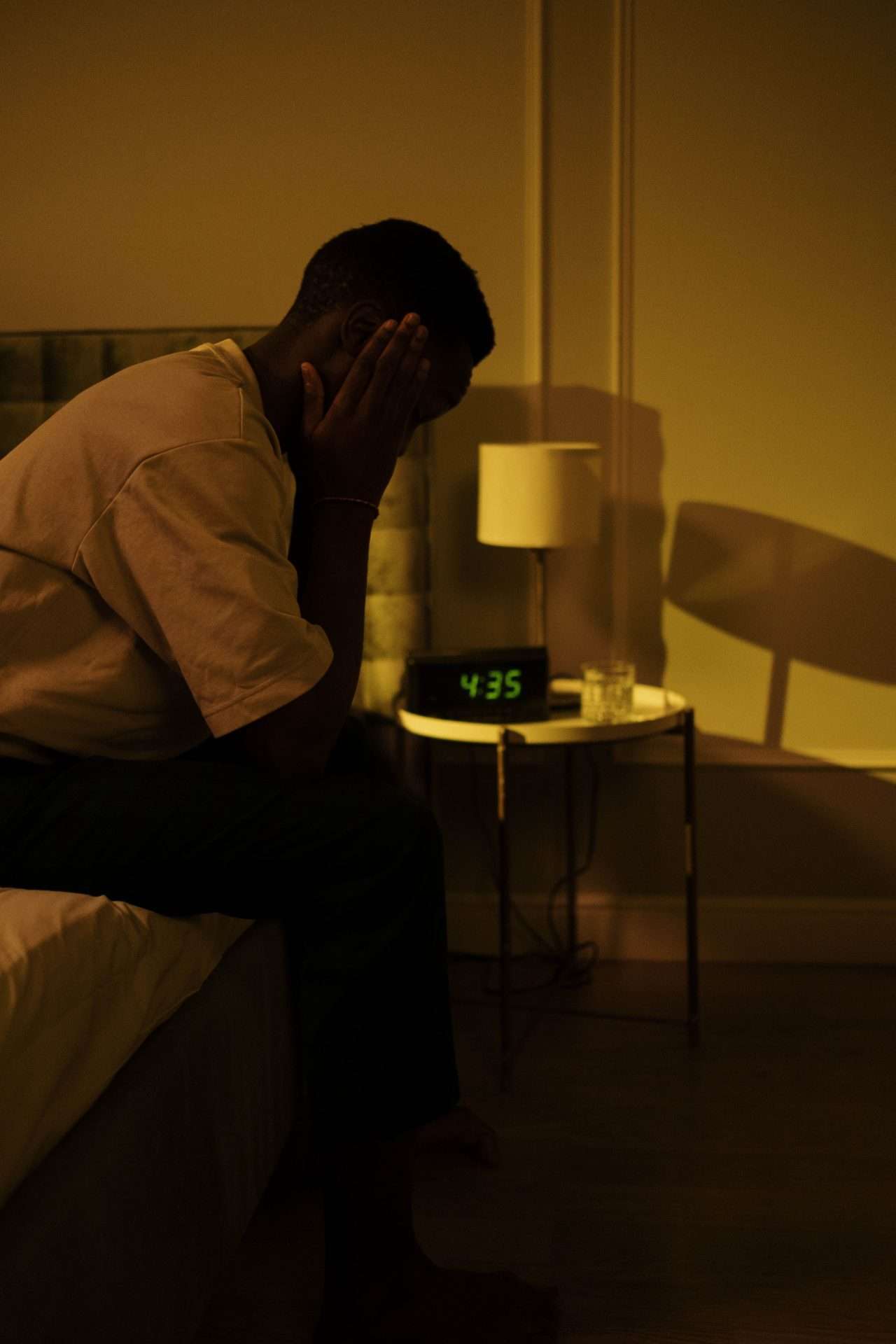
For many people, the burden is practical: settling in is hard, and waking happens more than once. How often it happens and how it affects your day are useful details to share, because they show how much the problem is costing you.
- Burning or tingling may make it hard to settle.
- Symptoms may wake someone during the night.
- Frequency and daily impact matter when seeking care.
- Experiences differ, so there is no single sleep pattern that applies to everyone.
Sleep Loss and Pain Sensitivity
A review by Finan and colleagues in The Journal of Pain found that poor sleep predicted more pain the next day, and more pain predicted poorer sleep the following night, across the broader pain literature. That does not mean sleep loss damages peripheral nerves, and it does not mean better sleep would cure neuropathy.
- Poor sleep can be followed by greater pain sensitivity.
- Repeated disturbed nights may add fatigue and distress.
- This does not prove new peripheral nerve degeneration.
- Persistent sleep disruption belongs in a discussion with your treating clinician.
What Better Symptom Tracking Can Show
A simple record can give a clinician more to work with than memory alone. Treat it as useful history, not as a test, and keep it simple enough that you will actually maintain it.
- Note when sensations occur and how they feel.
- Record bedding, temperature, position, and movement effects.
- Note awakenings and how you function the next day.
- Bring the notes to your appointment.
If nighttime symptoms are disrupting your sleep, request an assessment with RxWellness; a medical workup or referral may be necessary.
What Can You Do to Make Bedtime More Comfortable?
A few modest steps may make nights more comfortable while the cause is being looked into. If you are dealing with peripheral neuropathy symptoms worse at night, these are options to try alongside cause-focused care, not treatments that reverse neuropathy.
Reduce Contact and Pressure
If bedding bothers you, small changes are low-risk to try. They are worth testing for a few nights, and if symptoms persist, individual advice is worth seeking.
- Looser bedding may help if fabric contact hurts.
- A different position may lessen a focal pressure trigger.
- Avoid sustained pressure on skin with reduced sensation.
- Seek individual advice when symptoms persist.
Protect Skin and Manage Temperature
Reduced sensation can hide injuries, so safety matters as much as comfort. Preferences for warmth or coolness differ, so there is no one right setting, and what feels soothing to one person may feel aggravating to another.
- Look for unnoticed skin changes when sensation is reduced.
- Avoid direct high heat on numb feet because burns may go unnoticed.
- Choose a comfortable room and breathable bedding.
- Seek medical care for a new sore or concerning change.
Review Sleep and Medication With Clinicians
Decisions about medicine and sleep belong with the clinician who prescribes and monitors them. Please do not change a dose or start taking medication on your own, and bring any concerns about side effects or effectiveness to that clinician.
- A consistent sleep schedule can support sleep.
- Report repeated nighttime waking.
- Ask the prescribing clinician about medication choice or timing.
- Bring up side effects and questions at follow-up visits.
When Should Nighttime Symptoms Be Medically Assessed?
New, changing, or progressive symptoms, including peripheral neuropathy symptoms worse at night that are not settling, deserve evaluation, and a red, hot, swollen foot in someone with diabetic neuropathy deserves prompt specialist attention. Routine evaluation and a specific diabetic-foot warning are different situations, and it helps to keep them apart.
New or Changing Symptoms
You do not need to wait for symptoms to become severe before asking for an assessment. Clear details help the clinician decide what to do next, including whether a medical workup, a referral, or a musculoskeletal evaluation makes the most sense.
- New or progressive numbness, pain, or functional change deserves assessment.
- Note the affected limbs and when the change began.
- Discuss underlying conditions and medicines with the clinician.
- Describe how symptoms affect sleep and daily activity.
Concerning Foot Changes
According to the ADA Foot Care Interest Group in Diabetes Care, a red, hot, swollen foot in a person with diabetic neuropathy may indicate Charcot arthropathy and calls for prompt specialist assessment. That warning is specific to this situation.
- A red, warm, swollen foot in diabetes is not a routine flare to ignore.
- Possible Charcot arthropathy requires prompt specialist referral.
- Note which foot has changed and when the changes began.
- Lack of severe pain does not make a visibly abnormal foot safe.
Beyond Conservative Care
Some situations go beyond what supportive care can address. Because there is no separate source for every possibility, the guidance here stays broad, and the safest approach is to seek medical advice when something feels wrong or unfamiliar.
- Rapid weakness or alarming changes need prompt medical assessment.
- Acute severe or systemic symptoms call for appropriate urgent care.
- If you are unsure how urgent something is, seek medical advice.
- RxWellness care should never delay needed medical evaluation.
What Should You Expect as the Cause and Care Plan Become Clearer?
When peripheral neuropathy symptoms worse at night are being worked up, expect a stepwise process: an assessment, a few realistic goals, and reassessment when things change. There is no standard recovery timeline or visit schedule for this, and the plan should follow your findings and your preferences.
Start With a Cause-Focused Assessment
A clinician typically wants to understand the whole picture before settling on a plan. The more complete your history, the more useful the assessment, and your symptom notes can help fill in the details.
- Symptom pattern and duration.
- Distribution and functional effects.
- A possible overlapping musculoskeletal component.
- Coordination with primary care, neurology, podiatry, or other medical care when indicated.
Set Functional and Sleep Goals
Goals work best when they are specific and modest. They give you and your clinician a way to tell whether a plan is helping, and they can be adjusted as your needs change.
- Identify sleep interruption and activity limits.
- Choose appropriate comfort or movement goals.
- Revisit the response to the plan over time.
- Remember that improved comfort does not mean damaged nerves were repaired.
Reassess When the Pattern Changes
Follow-up should respond to what is happening, not to a calendar. Changes in your symptoms are the signal to check in.
- Note changes in sensation, balance, skin, or sleep.
- Review whether supportive care helps function.
- Seek reassessment if symptoms progress.
- Further visits depend on clinical need and your preference.
Why Choose RxWellness?
RxWellness can evaluate overlapping musculoskeletal concerns, support movement and function, and coordinate referral when a systemic neuropathy is suspected. Care is personalized and multidisciplinary, though services differ by clinic, so please confirm what your preferred location offers. For readers dealing with peripheral neuropathy symptoms worse at night, the first step is an assessment that looks at the whole picture.
The Three-Phase Care Model
RxWellness organizes care into three phases. It is not a fixed neuropathy protocol or a required maintenance schedule, and not every patient moves through every phase.
- Relief Care: Initial attention to symptoms and function, according to the assessed condition.
- Corrective Care: Where relevant, movement and rehabilitation for identified biomechanical or functional needs.
- Wellness Care: Optional periodic check-ins, supportive care, and lifestyle education after improvement, when appropriate and desired.
RxWellness Treatment and Support Options
Availability varies by clinic, so please confirm a service with your chosen location before planning around it. These options play supportive roles alongside medical care for the underlying cause.
Chiropractic Care
Chiropractic Care may be relevant when an assessment finds a spinal or joint complaint alongside neuropathy. It is not a treatment for the nerve damage itself.
- May address an assessed spinal or joint complaint alongside neuropathy.
- Evaluation helps distinguish possible mechanical contributors from diffuse sensory symptoms.
- The care choice follows individual findings and consent.
- Adjustments do not reverse systemic nerve damage from diabetes, chemotherapy, or another cause.
Active Rehabilitation
Active Rehabilitation uses guided movement to support function where appropriate. Names and availability vary by location, and a clinic should confirm what it offers. Seattle uses Functional Rehabilitation for the aligned service, and Chicago has distinct rehabilitation services.
- Guided movement and exercise may support mobility when appropriate.
- Strength, movement confidence, and functional goals can guide the plan.
- Sensory loss and balance concerns affect activity selection.
- Terminology and availability depend on the clinic you choose.
Want to talk through your symptoms and options? Request a consultation with RxWellness to discuss an individualized plan, and a referral when needed.
Related: What Are the Benefits of Chiropractic Care
Frequently Asked Questions
Does worse pain at night mean my neuropathy is progressing?
Not necessarily. Symptom intensity can fluctuate without meaning the condition is progressing, and an evening flare alone does not measure nerve damage. New or progressively changing symptoms still need evaluation, so describe how your pattern has changed over time to a clinician. Noting when it began and what makes it better or worse can help.
Why do bed sheets hurt my feet at night?
Light touch can be painful in a condition called allodynia, and bedding contact simply matters more once you are lying down. This symptom alone cannot identify the type or cause of neuropathy, so mention it to a clinician along with when it started and which areas are affected. Looser bedding is something some people try for comfort.
Can poor sleep make neuropathy pain feel stronger?
It can. Research across broader pain conditions, not only neuropathy, links poor sleep with more pain the next day and more pain with poorer sleep the next night. That does not mean better sleep repairs peripheral nerves. If trouble sleeping persists, discuss it with your treating clinician, who can look at both the sleep problem and the pain.
How can I tell restless legs syndrome from neuropathy?
Restless legs syndrome typically involves an urge to move the legs, symptoms that worsen at rest and in the evening, and relief while moving. Neuropathy symptoms may overlap with this pattern, so telling them apart is not always easy at home. A clinician should evaluate your pattern, because the cause shapes what care makes sense.
When should I seek care for a hot, swollen foot?
A red, warm, swollen foot in someone with diabetes and neuropathy needs prompt specialist assessment for possible Charcot foot, even without severe pain. Do not wait to see whether it settles. Other alarming changes, such as rapid weakness or sudden severe symptoms, also deserve appropriate medical evaluation, so seek care rather than treating them as routine nighttime flares.
Key Takeaways
- Evening worsening is documented in painful diabetic neuropathy, but it is not universal.
- Timing, quiet rest, bedding, position, and sleep can contribute differently for each person.
- A flare alone does not measure nerve damage.
- Restless legs syndrome and other conditions can resemble neuropathy at night.
- Comfort adjustments work alongside cause-focused medical care.
- New changes, or a red, hot, swollen diabetic foot, warrant assessment.
Why Nighttime Can Make Neuropathy Symptoms Harder to Ignore
So, why can peripheral neuropathy symptoms worse at night feel so hard to manage? Several factors may contribute, including an observed daily pattern in painful diabetic neuropathy, quiet surroundings, bedding and position, and the two-way link between poor sleep and pain. No single cause explains everyone, and a nighttime flare does not by itself show that nerves are getting worse.
If your symptoms are new, changing, or disrupting your sleep, it is reasonable to seek an assessment. A clinician can look at the whole picture, coordinate medical care when it is needed, and help you decide what supportive options make sense. You are welcome to schedule a consultation with RxWellness to talk through your situation.