

Table of Contents
Your neck has ached for months, and now your fingers tingle when you look down at your phone. If you’re living with cervical stenosis in McLean, you may wonder whether a neck pain chiropractor can help. For some people the answer is yes, as long as our team screens for spinal cord warning signs first and works with your physician.
Our Tysons clinic serves Pimmit Hills, McLean and nearby neighborhoods. Below, we explain the narrowing, the symptoms that can’t wait, the research and how we build conservative care.
What Is Cervical Stenosis and How Does It Cause Neck Pain?
Cervical stenosis is a narrowing of the spaces in the neck that hold the spinal cord and its nerve roots. When those spaces tighten, nerve pressure can bring neck pain, stiffness, and tingling or weakness in the arms and hands.
Spinal stenosis most commonly develops in the lumbar spine and the cervical spine, which is your neck. The chances of developing it go up with age.
Common causes of cervical stenosis
- Age-related wear in the discs and small joints of the neck.
- Bulging discs that press into the spinal canal.
- Bone spurs that form along arthritic joints.
- Ligaments inside the canal that thicken or harden with calcium.
- A spinal canal that’s narrower than average from birth.
- A past neck injury or fracture.
Neck and arm symptoms of cervical stenosis
- Neck pain or stiffness that comes and goes.
- Less neck motion when you turn to check a blind spot.
- Numbness or tingling that runs down an arm into the hand.
- Weakness in a hand, arm or fingers.
- Headaches that start at the back of the neck.
- Symptoms that build slowly over months.
How cervical stenosis differs from everyday neck strain
- A simple neck strain usually follows an obvious trigger, like sleeping wrong.
- Cervical stenosis tends to build slowly, often over months or years.
- Strain stays in the neck and shoulders, while stenosis can reach the arms and hands.
- Strain rarely affects grip, balance or handwriting.
- Some people with narrowing on an MRI feel no symptoms at all.
Related: Why Visit a Neck Pain Specialist in Tysons?
New to RxWellness? Your first visit — including consultation, examination, and treatment — is just $19. Book your new patient appointment today!
Which Cervical Stenosis Symptoms Need a Physician or the Emergency Room?
Signs of cervical myelopathy, meaning pressure on the spinal cord itself, need a physician promptly. New trouble walking, sudden loss of coordination, loss of bladder or bowel control, or rapidly worsening weakness means you should call 911 or go to the emergency room.
Cervical myelopathy can start quietly, and neck pain isn’t always part of it. So we ask every patient with cervical stenosis in McLean about hands, balance and walking. The NHS lists new problems walking or sudden coordination loss among possible signs of a medical emergency.
Cervical myelopathy signs that need a physician promptly
- Hands that slowly grow clumsy with buttons, keys or a pen.
- Dropping cups, phones or other objects more often.
- Numbness or tingling in both hands.
- Heaviness or weakness in your arms or legs.
- Balance that feels off when you walk.
- Handwriting that looks messier than it used to.
Cervical stenosis emergencies that need 911 or the ER
- New trouble walking or standing steadily.
- Loss of bladder or bowel control.
- Sudden clumsiness, like trouble buttoning a shirt.
- Weakness in an arm or leg that’s getting worse quickly.
- Numbness that spreads into both legs.
- Severe neck pain after a fall, crash or sports collision.
If any of these happen, call 911 or go to the emergency room. Have someone else call or drive if you feel confused, faint or unsteady.
Factors linked to a higher risk of cervical myelopathy
- Older age, since spinal cord compression on MRI becomes more common after 50.
- A cervical spinal canal that’s narrow from birth.
- Smoking, which researchers list as a risk factor.
- Cord compression on an MRI, even without symptoms yet.
- Cord compression along with signs of an irritated nerve root.
Related: Is Chiropractic Care for Seniors in Tysons Safe?
Can a Neck Pain Chiropractor Help With Cervical Stenosis?
A neck pain chiropractor may help some people with cervical stenosis feel and move better, but the evidence is limited. Conservative care for cervical stenosis in McLean fits best when we find no signs of cord compression and your physician stays involved.
Surgery usually isn’t where care starts. Harvard Health’s physician writers note that, in most cases, surgery is not an initial treatment for this condition. Physicians commonly suggest the options below first, and your physician manages any medicines or injections.
Nonsurgical options physicians commonly suggest first
- Heat, cold and stretching exercises.
- Massage.
- A neck brace or soft collar.
- Pain relievers or anti-inflammatory medicines.
- Muscle relaxants or antiseizure medicines.
- Steroids or nerve-blocking injections.
What researchers found about conservative care for cervical stenosis
- Guideline authors made a weak suggestion of surgery or a supervised trial of structured rehabilitation for mild cervical myelopathy.
- The same authors recommended surgery for moderate and severe cervical myelopathy.
- They also recommended surgery when nerve function declines during nonsurgical care.
- They suggested clinical follow-up for people with cord compression but no myelopathy.
- Reviewers who pooled five trials of traction for cervical radiculopathy found some support for pain relief when traction was added to other physiotherapy procedures.
- The reviewers found lesser effects on function and noted mixed diagnostic criteria across the trials.
- These trials tested manual and mechanical traction for nerve root pain, not spinal decompression devices or spinal cord narrowing.
Cervical radiculopathy means an irritated nerve root as it leaves the spine. That’s different from pressure on the spinal cord, and we plan care around that difference.
Why we screen before any neck adjustment
Authors of a 2022 case report and review wrote that degenerative cervical myelopathy may contraindicate spinal manipulation. We take that warning seriously.
- We test reflexes, grip strength and sensation in both arms and hands.
- We watch you walk, turn and stand with your feet together.
- We ask about clumsy hands, dropped objects and balance changes.
- We review any MRI or X-ray reports you bring.
- We skip neck adjustments when we find signs of spinal cord pressure.
- We refer you to a physician or spine specialist when we find signs that need one.
Questions to ask any provider about cervical stenosis care
- Do you see signs of spinal cord or nerve root involvement in my exam?
- Will you test my reflexes, grip and balance before treating my neck?
- Which treatments will you avoid for my neck, and why?
- How will we measure whether care is helping?
- At what point would you send me to a physician or surgeon?
- How will you share your findings with my physician?
Related: Computer-Related Neck Pain in Tysons, VA
If you’re ready to address cervical stenosis in McLean, our team at RxWellness is here to help. Call (571) 368-5387 to schedule your consultation today.
How Do We Evaluate Cervical Stenosis in McLean Before Treatment?
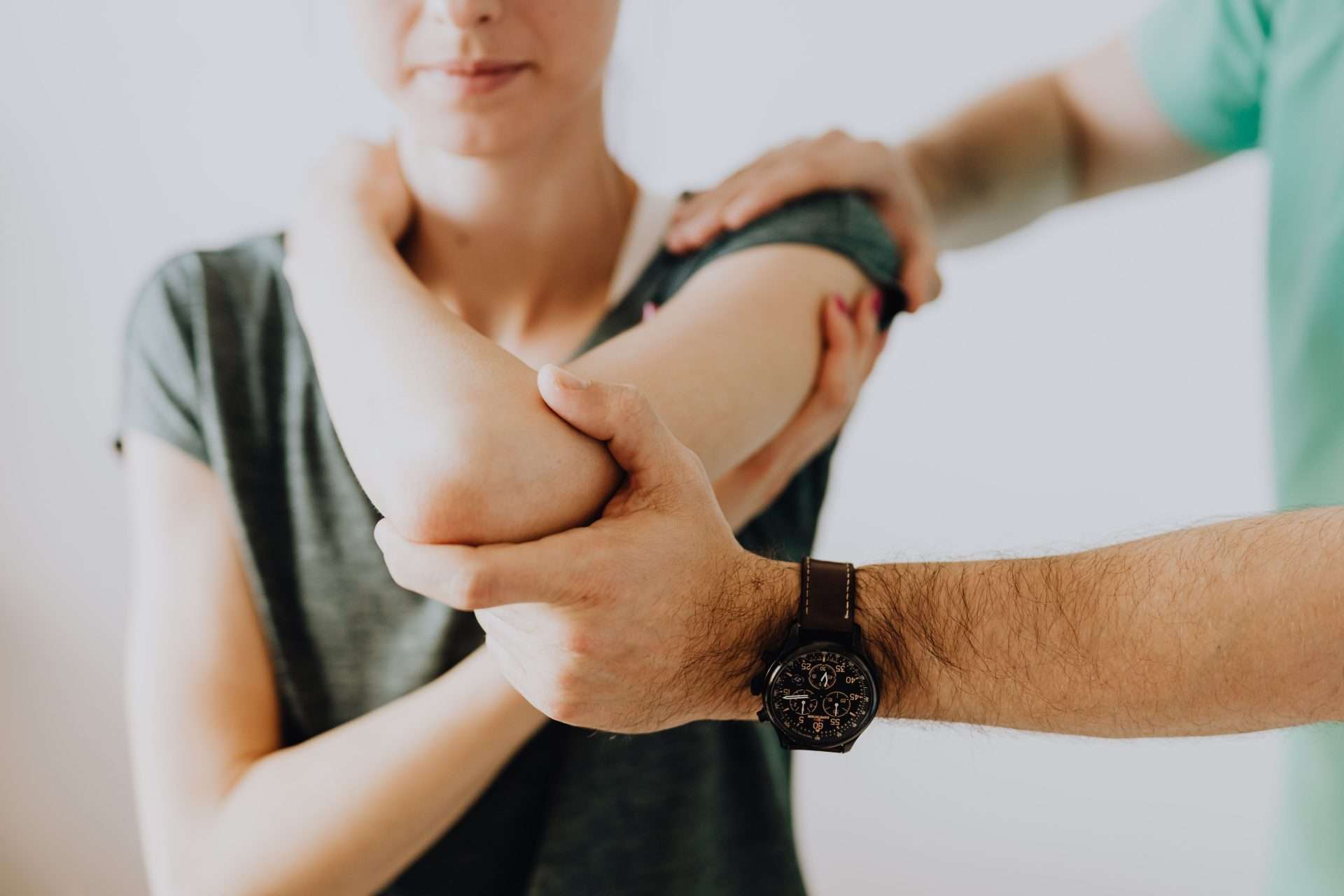
Our evaluation for cervical stenosis in McLean starts with your story and a hands-on neurological exam. We compare those findings with any imaging you have. We don’t assume a narrowed canal on a scan explains every symptom you feel.
What a first cervical stenosis exam covers
- Your symptom timeline and what eases or worsens your neck pain.
- Neck range of motion in each comfortable direction.
- Reflex, strength and sensation tests in your arms and legs.
- Grip and fine finger tasks that can reveal hand clumsiness.
- Walking, balance and posture checks.
- A review of past imaging, medications and medical history.
What researchers found in MRI scans of people without symptoms
- Researchers scanned the necks of 1,211 healthy volunteers aged 20 to 70.
- They found disc bulging in 87.6% of subjects, even though none had symptoms.
- Most volunteers in their 20s already had bulging discs.
- Spinal cord compression appeared in 5.3% of the volunteers.
- Compression most often involved the C5-C6 and C6-C7 levels.
- Spinal cord compression became more common with age, particularly after 50.
What we weigh alongside your cervical spine MRI
- Whether your arm symptoms match the narrowed level on your scan.
- Whether your reflex changes fit spinal cord or nerve root involvement.
- Whether wrist or elbow nerves could explain your hand numbness.
- How your symptoms have changed over weeks or months.
- Whether your symptoms change with neck position.
- What your physician or specialist has already found.
What to bring to your first cervical stenosis visit
- Copies of any MRI, CT or X-ray reports.
- A list of your current medications and supplements.
- Notes on when your neck pain and arm symptoms started.
- Examples of daily tasks that have become harder.
- Any notes from your physician or a spine specialist.
- Your questions about treatment, safety and next steps.
When we find signs of spinal cord pressure, we refer you before any hands-on neck care. When we find stiff joints or an irritated nerve root instead, we build a conservative plan and share it with your physician.
Related: Where Can I Find Neuropathy Treatment Near Me in Tysons?
Why Choose RxWellness Tysons for Cervical Stenosis Care?
RxWellness Spine & Health Tysons chiropractors screen a narrowed neck for safety before they look at pain relief. We look for spinal cord warning signs, then decide with you whether conservative care fits. Your physician hears our findings, so your whole care team shares one picture.
- RxWellness has cared for patients near Tysons Corner since our clinic there opened in November 2019.
- RxWellness grew 283% in three years and landed No. 1,230 nationwide in 2026 on the Inc. 5000.
- In Virginia, RxWellness finished 110th on the 2024 Inc. 5000.
- Our CEO and co-founder holds a 2025 Life University Distinguished Alumni Award, from the world’s largest single-campus chiropractic college.
- Of the fast-growing Mid-Atlantic companies Inc. honored in 2025, RxWellness came in at No. 45 regionally.
- Our clinicians’ combined caseload across RxWellness has passed 150,000 patients.
- Neighbors weighing their options can browse more than 7,500 five-star reviews from RxWellness patients.
You’ll judge us by something closer to home: how carefully we screen your neck before we treat it.
The RxWellness Three-Phase Care Model
Once we confirm that conservative care fits, we move your plan through three phases, each with its own goal.
- Relief Care calms neck pain, muscle guarding and arm tingling with closely spaced visits while we watch for myelopathy signs.
- Corrective Care rebuilds neck posture, deep neck muscle endurance and comfortable motion through hands-on care and home exercises.
- Wellness Care keeps you strong, steady on your feet and alert to new nerve symptoms, with reassessments when anything changes.
After that first screen, our Tysons team picks from the neck pain treatments listed next.
Related: Chiropractor Near Me in Tysons, VA: Your Path to Pain-Free Living
Which Neck Pain Treatments Do We Use for Cervical Stenosis in McLean?
At our Tysons clinic, which serves McLean and Pimmit Hills, we choose gentle, conservative neck pain treatments that fit your exam. No single therapy reverses a narrowed canal. Our goals are calmer symptoms, easier movement and a neck that stays capable as you age.
Care takes place at RxWellness Spine & Health Tysons/McLean. Our team coordinates with your physician whenever we find it’s needed.
Neck pain treatment options at our Tysons clinic
- Chiropractic care uses targeted adjustments that can help stiff neck and upper back joints move better.
- Spinal decompression therapy is a non-surgical traction therapy that may help ease neck and arm pain for some people when it’s safe for your neck.
- Massage therapy can help ease muscle tension in the neck, shoulders and upper back.
- Active Release Technique is a soft tissue treatment that can help free adhesions limiting neck motion.
- Cupping treatments for tight muscles use suction on the skin to increase blood flow and can help relieve tension.
- Chiropractic Biophysics (CBP) is a structural approach that focuses on spinal alignment and posture.
Neck and shoulder conditions our Tysons team treats
- Neck pain from stiff, arthritic joints.
- Shoulder pain that travels from the neck.
- Headaches that build with neck stiffness.
- Arthritis in the neck and upper back.
- Carpal tunnel syndrome, which can mimic neck-related hand numbness.
Signs your cervical stenosis plan is on track
- You turn your head to check traffic with less pain.
- Arm tingling shows up less often or fades sooner.
- You sleep through more nights without waking from neck pain.
- Your grip, balance and handwriting stay steady at each retest.
- You need fewer breaks during long screen or reading sessions.
- You can look down at your phone longer before tingling starts.
Habits that protect a narrowed neck for decades
- Follow the CDC advice that adults 65 and older need aerobic, muscle-strengthening and balance activities each week.
- Walk most days at a pace your physician approves.
- Keep a short home routine for deep neck and upper back strength.
- Practice balance drills next to a counter or wall for support.
- Raise screens and phones toward eye level to limit long neck bends.
- Report new hand clumsiness or balance changes right away.
- Plan Wellness Care reassessments when your symptoms or activities change.
Related: Can Spinal Decompression in Tysons Relieve Back Pain?
Ready to take the next step toward recovery? Schedule your consultation online to visit RxWellness Tysons/McLean today and begin your path to relief.
FAQs
Can cervical stenosis get better without surgery?
Many people manage cervical stenosis symptoms without surgery, especially when the spinal cord isn’t compressed. The narrowing itself usually doesn’t reverse. Pain, stiffness and daily function may still improve for some people with chiropractic care, massage or spinal decompression when it’s safe for your neck. Myelopathy changes the picture, since guideline authors recommend surgery for moderate and severe cases.
Is it safe to crack my own neck if I have cervical stenosis?
It’s best to avoid twisting or cracking your own neck when you have cervical stenosis. The neck has little spare room around the spinal cord. Quick, forceful movements add stress you can’t control. A gentle range-of-motion routine your clinician approves is a safer way to ease stiffness.
Do I need an MRI before seeing a chiropractor for cervical stenosis?
You don’t always need a new MRI before your first visit, but bring any reports you already have. Imaging becomes important when we find signs of spinal cord pressure or a worsening nerve problem. In that case, we refer you to a physician, who decides which tests you need.
Can cervical stenosis cause headaches or shoulder pain?
Yes, neck and shoulder pain and headaches can come with age-related neck changes. These symptoms have many possible sources, though, including tight muscles and shoulder problems. We use your exam to sort out whether the narrowing, the joints or the soft tissue is driving them.
What sleeping position is easiest on a narrowed neck?
Back or side sleeping is often easier on a sore neck than stomach sleeping. A pillow that keeps your head level with your spine tends to feel best. Stomach sleeping keeps the neck turned to one side for hours. If a position brings on arm tingling, change it and mention it at your next visit.
How soon will I know if conservative care is working?
There’s no set timeline, so we retest your neck motion, strength and symptoms at planned points. Steady gains are a good sign the plan fits your neck. If symptoms stall or nerve signs worsen, we refer you to a physician rather than repeat the same treatment.
Can patients from Pimmit Hills get care for cervical stenosis in McLean?
Yes, our Tysons clinic serves Pimmit Hills, McLean and nearby communities. You can request a visit online or call the clinic directly. If hand clumsiness or balance changes start before your visit, see a physician first rather than waiting.
Key Takeaways
- Cervical stenosis is a narrowing of the spaces around the spinal cord and nerve roots in the neck.
- Neck pain, arm tingling and hand weakness are common symptoms, though some people feel nothing.
- Clumsy hands, dropped objects and balance changes are cervical myelopathy signs that need a physician promptly.
- New trouble walking, sudden loss of coordination, loss of bladder or bowel control, or rapidly worsening weakness means you should call 911 or go to the emergency room.
- Evidence for chiropractic care and spinal decompression in cervical stenosis is limited, so we screen first.
- Care for cervical stenosis in McLean at our Tysons clinic stays conservative and coordinated with your physician.
- Plans move through Relief Care, Corrective Care and Wellness Care so you can stay active for years.
Find Lasting Relief From Cervical Stenosis Neck Pain
So, is there a neck pain chiropractor in McLean who treats cervical stenosis near Pimmit Hills? Yes. Our Tysons team evaluates neck pain linked to cervical stenosis in McLean and provides conservative care when we find it’s appropriate. We coordinate that care with your physician, and if we find signs of spinal cord pressure, we refer you first.
Our goal for cervical stenosis in McLean reaches past a calmer neck this month. We want you walking with confidence, using your hands with ease and staying active for many healthy years.
RxWellness Spine & Health Tysons/McLean Online Reservations
8609 Westwood Center Dr, Suite 620, Vienna, VA 22182
Serving McLean and nearby communities, including Pimmit Hills, West Langley, Salona Village, Great Falls, and Wolf Trap, we help patients find careful, conservative care for neck pain linked to cervical stenosis.